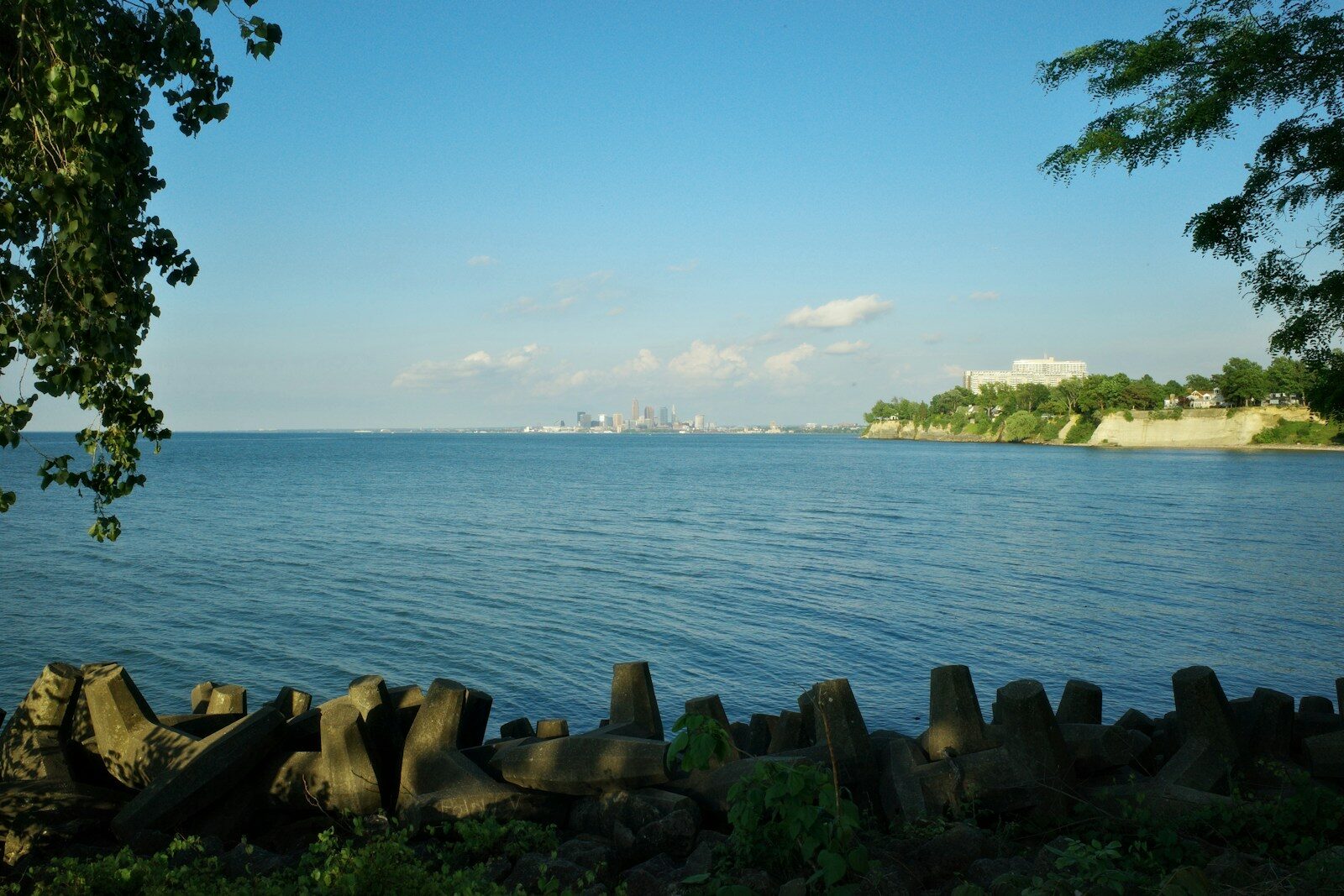
On July 22, 1796, a small survey team reached Lake Erie. Moses Cleaveland led the group. They came to map land for a new town.
The site sat by Lake Erie and the Cuyahoga River. That was a good place for trade. Boats could move people and goods.
A Town by the Water
The new town was named for Cleaveland. The name was later spelled Cleveland. The city kept the shorter form.
The first years were hard. The town was small. Roads were poor. Wet land and harsh weather made life hard.
Still, the site had room to grow. The lake gave people a way to move goods. The river tied the town to land farther south.
That link to water set Cleveland apart. FootageVault’s story on the B&O Railroad shows how new forms of travel later changed U.S. cities too.
From Plan to City
The Erie Canal did not reach Cleveland. But new canal links in Ohio soon helped trade grow. Rail lines came later.
Cleveland then grew fast. Ships, trains, and mills brought work. More people came to live there.
The Encyclopedia of Cleveland History gives more detail on Moses Cleaveland and the early survey work.
The Western Reserve
The town was part of the Connecticut Western Reserve. A land firm sent teams to map and sell the land.
This plan did not start on empty ground. Native people had lived in the region for a long time. New land claims pushed old claims aside.
That part of the story matters. A city can grow and still have a hard past.
A Great Lakes City Grows
By the late 1800s, Cleveland was a large U.S. city. It was known for steel, oil, ships, and trade.
The city also became home to many new groups. Each group helped shape its food, art, faith, work, and streets.
Other U.S. cities grew from small plans too. See how Colorado Springs began and how Tucson marked its growth years later.
Readers who want more detail can browse Cleveland history books on Amazon.
Cleveland Then and Now
Cleveland began with lines on a map. Yet maps alone did not make the city. People did.
A modern Ohio topic, such as Ohio property tax reform, shows how the state still changes with time.
The old plan by the lake became a real place. It grew through work, risk, and change.