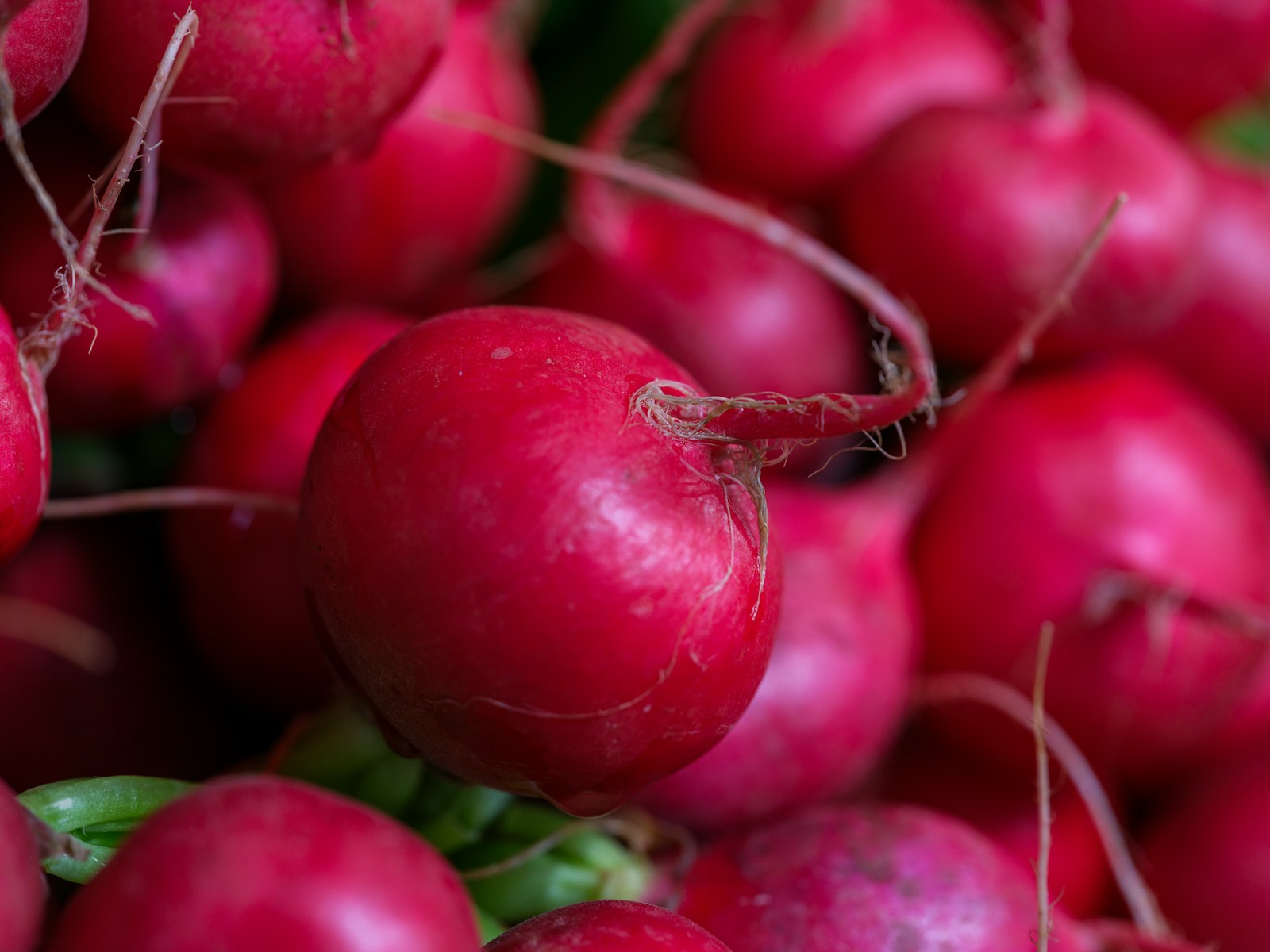
Radishes are one of the quickest crops we can grow. They sprout fast, mature fast, and give us a real harvest while many other vegetables are still getting started.
They are also simple enough for beginners. Give them cool weather, loose soil, steady moisture, and enough room, and they usually do the rest.
Most small garden radishes are ready in only a few weeks. That makes them useful for early spring beds, fall gardens, containers, and empty spaces between slower crops.
Radishes also teach good garden habits. We learn to sow thinly, water evenly, thin seedlings early, and harvest on time.
If you are planning a cool-season garden, our guide to crops to start in February shows where radishes fit beside other early vegetables.
The video below gives a useful visual look at the same basic process, from seed to harvest.
Why radishes grow so quickly
Radishes are cool-season root vegetables. Small spring types often reach harvest size in about three to five weeks. Larger winter radishes and daikon need more time.
Cool weather matters. Heat can make roots strong-tasting, hollow, woody, or slow to swell. That is why spring and fall are usually the best seasons.
Utah State University Extension recommends loose, fertile, well-drained soil, steady moisture, and cool conditions for good root growth. Its radish growing guide also notes that heat and uneven watering can hurt quality.
Pick the right radish type
Small round spring radishes are the fastest choice. French breakfast types are longer but still quick. Daikon and winter radishes grow much larger and need a longer season.
For a first crop, choose a common quick variety and follow the spacing on the seed packet. A packet of radish seeds is enough to sow several short rows through the cool season.
Prepare loose soil
Radish roots need room to swell. Loosen the top six inches of soil for small types. Go deeper for long daikon roots.
Remove large stones and hard clods. Mix in finished compost if the soil is poor, but avoid pushing heavy nitrogen. Too much leaf growth can come at the expense of the root.
If you are still deciding where vegetables fit around the home, our garden-home guide has simple ideas for making useful growing space part of a small yard.
Sow directly and thin early
Radishes are best sown where they will grow. Plant the seed shallowly, keep the surface moist, and watch for quick germination.
Once seedlings are up, thin them. Small radishes often need about an inch between plants. Bigger types need more space. Crowded seedlings make poor roots.
For a steady supply, sow a short row every week or two while the weather stays cool. That is easier than planting one huge batch.
Water evenly
Fast growth gives radishes their best texture. Keep the soil evenly moist rather than letting it swing from very dry to very wet.
Dry soil can make roots hot and tough. A sudden soaking after a dry spell can cause cracking. A thin mulch can help the soil hold moisture.
Harvest before they get old
Small radishes have a short prime window. Start checking them when the shoulders of the roots begin to show at the soil line.
Pull one and taste it. If it is crisp and the size is right, harvest the rest as they mature. Waiting too long often leads to pithy or overly hot roots.
Cut the tops off after harvest so the leaves do not keep pulling moisture from the root. Store the roots cold in a sealed container or bag.
Use the greens too
Young radish leaves are edible. Wash them well and use them in cooked greens, pesto, or mixed dishes. The roots can be eaten raw, roasted, or quick-pickled.
That makes radishes a useful two-part crop instead of a garnish we forget in the fridge.
What about pests?
Flea beetles are one of the most common radish pests. They leave tiny holes in leaves, especially on young plants. Light row cover can help protect new seedlings.
Radishes are sometimes used as a trap crop because flea beetles may feed on them heavily. The idea is not to plant them and walk away. Watch the trap row, and remove badly infested plants before the pest population builds.
That same practical approach works with other garden plants. The Wright Gardens beginner herb guide is a useful reminder that simple care and close observation usually beat complicated fixes.
Radishes in containers and small spaces
Small radishes do well in containers that are at least six inches deep. Use loose potting mix and check moisture often because pots dry faster than garden beds.
If you prefer buying young plants, seed, and supplies locally, our garden-center shopping guide explains what to look for before filling the cart.
A simple four-week rhythm
- Week 1: Sow seeds and keep the soil moist.
- Week 2: Thin seedlings and keep weeds down.
- Week 3: Keep growth steady and watch for pests.
- Week 4: Start checking roots and harvest the early types.
Then sow another short row if the weather is still cool. That is the real strength of radishes: quick results, simple care, and another chance to plant again.