January can feel like a long hallway. The holidays are done. The days are short. The air can bite.
But here’s the truth we forget: January is one of the best months to be outside. The trails are quiet. The sky is clear. Bugs are low. And every small outing feels like a win. Important History in January: A Month That Starts More Than a Year.
In my view, the trick is not to “go big.” The trick is to go often. Ten minutes counts. A slow walk counts. A warm drink after counts, too.
Let’s build a January that feels good.
Why January Outdoors Feels Different (in a Good Way)
In other words, January gives us space.
- Fewer crowds. Parks and paths feel calm.
- Clearer views. Leaves are down in many places, so you can see farther.
- Better animal signs. Tracks show up in mud, snow, or frost.
- Bright winter light. Photos look sharp and clean.
- A stronger reset. A cold breeze wakes us up fast.
But most of all, getting outside in January helps us feel like we are driving the day, not just surviving it.
The “Small Wins” Rule for January
Instead of planning one huge adventure, we can stack tiny ones.
Try this simple goal:
3 days a week, 20–40 minutes outside.
That is it. Not perfect. Just steady.
Then, once a week, add one “bonus” outing. Something fun. Something a little new.
Dress Like You Mean It: A Quick Winter Gear System
Cold fun depends on comfort. How to Get Your Brain to Focus Comfort depends on layers.
A simple layer plan:
- Base layer: stays dry (not cotton if you can help it)
- Warm layer: holds heat (fleece or wool works great)
- Shell layer: blocks wind and light rain
Add the “little guards”:
- Hat
- Gloves
- Warm socks
- Shoes with grip (or simple traction if it’s icy)
Also, keep one smart habit: stay dry. If you get wet, get warm fast. Wet clothes can chill your body quickly. Health guides on winter safety stress drying off and warming the body’s core if someone shows signs of hypothermia.
January Outdoor Activities That Fit Real Life
Below are easy ideas that work for many places. Mix and match. Keep what fits.
1) Winter Walks With a Purpose
A plain walk is great. A purpose walk is even better.
Pick one focus each time:
- Sky walk: notice clouds, moon, and color changes
- Tree walk: look at bark patterns and buds
- Sound walk: listen for birds, wind, and water
- Track walk: search for prints and paths
This helps our mind stay present. Tradescantia spathacea, Sitara’s Gold It also makes the walk feel fresh, even on the same route.
2) Hike the “Off-Season” Trails
If you like hiking, January is your secret season.
Instead of long miles, aim for:
- a loop trail
- a river path
- a lookout you can reach in under an hour
Bring a small pack with:
- water
- snack
- warm layer
- light source (it gets dark early)
National parks often highlight winter as a time for self-guided hikes and quiet exploration, with smart planning for changing conditions.
3) Birdwatching That Feels Like a Treasure Hunt
January birding is exciting because winter birds can be bold and busy.
You do not need fancy gear.
Start with:
- your phone camera
- a simple pair of binoculars
- a free bird ID app (optional)
Two easy ways to do it:
- Feeder watch: count who visits your yard or balcony
- Park loop: walk slow and scan tree tops and water edges
If you want something bigger, January lines up with a classic community science event: Audubon’s Christmas Bird Count runs from December 14 to January 5 each season (including the 2025–2026 count window).
That means early January is still part of the season. Vinca, Cora Cascade XDR Apricot You can join a group count, or simply report what you see from home in many local circles.
4) “Golden Hour” Photo Walks
Winter light is clean. Shadows are long. It makes even simple scenes look strong.
Try a short photo walk near:
- a pond
- a bridge
- a downtown street with old brick
- a field edge at sunset
Make it easy:
- 10 photos only
- 1 theme (frost, silhouettes, birds, or reflections)
Instead of chasing perfect shots, we collect moments.
5) Backyard Micro-Adventures
Not every day is a trail day. Some days are “step outside” days.
Quick backyard ideas:
- Build a tiny fire pit evening (if allowed)
- Make a hot cocoa porch hang
- Do a flashlight night walk and look for moths, spiders, and cat eyes
- Try a winter scavenger hunt: pinecones, seed pods, animal tracks, red berries
These small plays keep us outdoors, Viola, Honeybee even when time is tight.
6) Beach, Lake, or River Time (Even in Winter)
If you live where water stays open, January water outings can be peaceful.
Easy options:
- shoreline walk
- rock skipping
- bird spotting on the water
- sunrise sit with a warm drink
If you paddle, keep it extra safe in cold months. Cold water can be risky fast. Plan short routes, wear the right gear, and go with others.
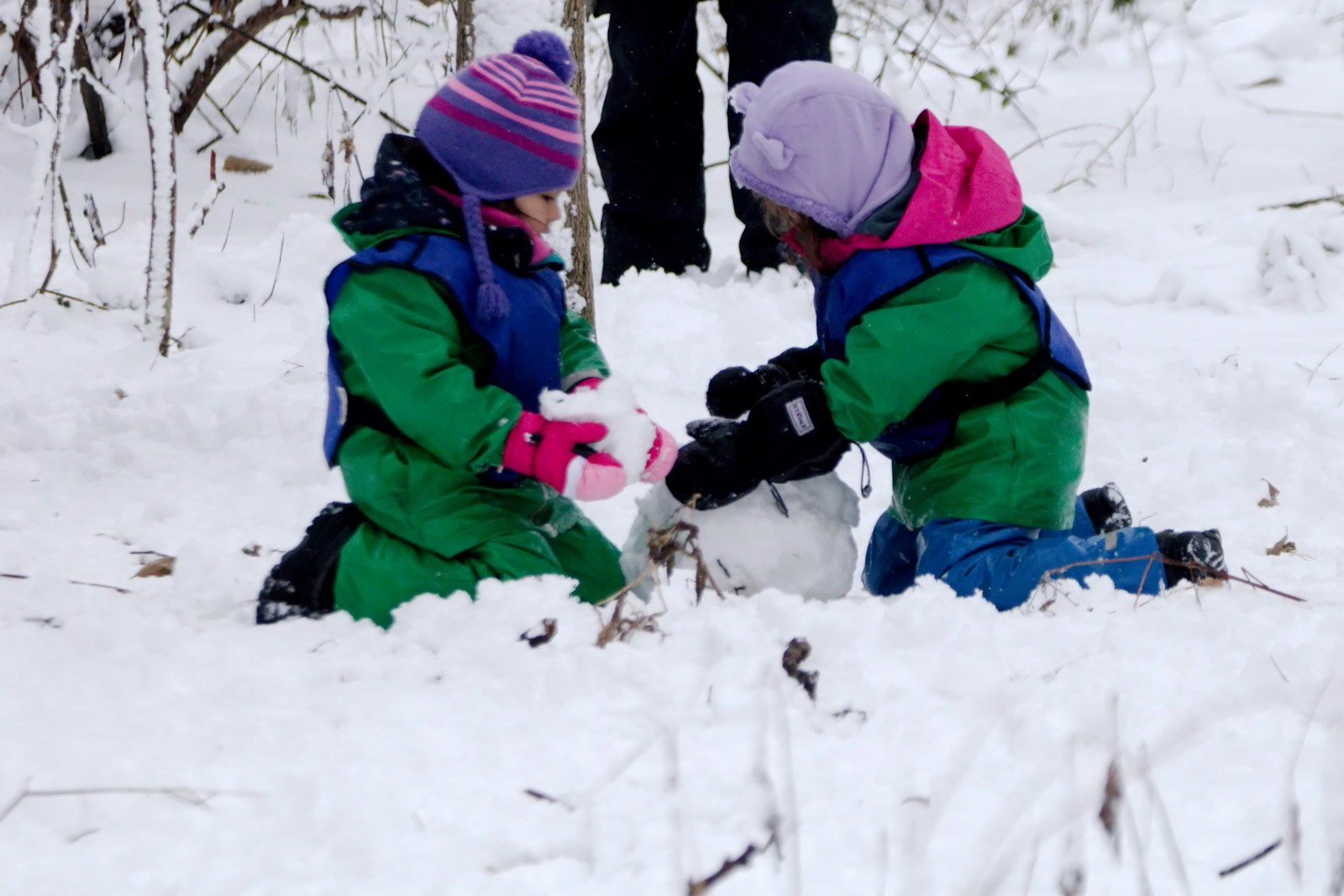
7) Snow Days: Simple Fun That Still Counts as Fitness
If you have snow, you have a playground.
Choose one:
- sledding
- snowshoeing
- cross-country skiing
- building a snow fort
- snowball target practice (safe spots only)
Keep the goal: laugh first, workout second.
Winter play burns energy without feeling like “exercise.”
8) Night Sky Time: January Is a Gift
January skies can be crisp and clear.
A very easy plan:
- Step outside for 5 minutes
- Find the brightest star or planet you can see
- Let your eyes adjust
- Look for patterns
Also, early January often brings one of the headline meteor showers: the Quadrantids, which peak around the night of January 3–4 in many years and have a short peak window. Despite the Heat, Summer Gardening Can Be Rewarding.
If the sky is clear, bundle up, face away from street lights, and give it time. Even a small number of meteors can feel magical when the air is still.
9) A “Winter Fitness Loop” That Does Not Feel Like a Chore
If you want more movement, keep it simple.
Pick a loop you can repeat:
- walk 10 minutes out
- walk 10 minutes back
- add 5 minutes of gentle strength at home (squats, wall push-ups, stretching)
No guilt. No big plan. Just rhythm.
10) Volunteer Outdoors (Light and Local)
January is a great time to help without overheating.
Look for:
- park cleanups
- trail groups
- local nature centers
Even one hour makes you feel tied to your place. And it gets you outside with a purpose.
A Safe January Checklist We Can Actually Follow
Cold weather safety does not need to be scary. It needs to be steady.
Before you go:
- Check wind and wet weather
- Tell someone your plan for longer outings
- Pack a snack and water
While you’re out:
- Stay dry
- Take breaks out of wind
- Watch for numb skin and heavy shivering
When you get back:
- Change out of wet clothes right away
- Warm up slow and steady
Winter safety guides also stress dressing in layers and covering exposed skin to reduce frostbite and hypothermia risk. Wrap It Up With Herbs and Spices.
A Ready-Made January Outdoor Calendar (Use Any Days You Like)
Here is a simple weekly pattern you can repeat all month.
Week plan:
- Day 1: 20–30 min walk (theme walk)
- Day 2: Birdwatch or photo walk (15–40 min)
- Day 3: Trail hike or park loop (30–90 min)
- Bonus: Night sky peek (5–20 min)
That is enough to change how the month feels.
Carry the Winter Spark Forward
January does not have to be a waiting room.
We can step outside, even for a short time, and feel our body wake up. We can watch birds work the branches. We can see our breath and smile. We can look up at a clear night sky and remember we are part of something big.
So we keep it simple. We dress smart. We go often.
And little by little, January turns into our month.