January can feel long. The holidays are over, the days are short, and cold air can make the couch look very good.
But winter can also be one of the calmest times to get outside. Trails are quieter. Views open up. Bugs are fewer. Even a short walk can feel like a real reset.
The goal does not have to be a huge adventure. A 20-minute walk counts. So does birdwatching from a park bench or stepping outside to look at the night sky.
A good January plan is simple: go outside often enough that it becomes normal. Pick activities that fit your weather, your fitness, and the time you have.
Cold weather does ask for more planning. Layers, dry clothes, water, food, and a safe route matter more when daylight is short and weather can change fast.
With that in mind, here are easy ways to make January feel less like a waiting room and more like part of the outdoor season.
1. Take a winter walk with one small goal
A plain walk is enough. Giving it a theme can make the same route feel new.
- Look for animal tracks.
- Notice bark, buds, and seed heads.
- Listen for winter birds.
- Take five photos of frost, water, or winter light.
Twenty or thirty minutes is plenty. The point is to move and pay attention.
2. Try an easy off-season hike
Winter can turn a familiar trail into a new place. Leaves are down in many areas, so views can be wider than they are in summer.
Keep the first trip short. A loop, river path, or easy overlook is better than a long route when you are learning how cold, ice, and early sunsets change your pace.
The National Park Service winter hiking guide recommends checking weather and trail conditions, carrying water and snacks, using warm layers, and bringing traction when snow or ice may be present.
A simple pair of winter hiking traction cleats can be useful on icy paths when conditions call for them.
3. Watch birds
Birding is easy to start because you do not need to travel far. A yard, balcony, pond, or city park can work.
Walk slowly and scan tree tops, brush, and water edges. If you have binoculars, great. If not, start with your eyes and a phone camera.
Winter is also a good time to practice low-impact habits. Stay on established paths, give wildlife room, and leave the place as you found it. The same idea is explained well in this Leave No Trace guide.
4. Take a winter photo walk
Low winter sun creates long shadows and clean light. You do not need a special camera.
Pick one subject before you leave. Try bare trees, reflections, frost, birds, old buildings, or sunset color. Limiting yourself to ten photos can make you look more carefully.
5. Make the backyard count
Not every outdoor day needs a trailhead. A porch, yard, or nearby sidewalk can be enough.
- Drink hot cocoa outside.
- Do a winter scavenger hunt.
- Look for animal tracks after rain or snow.
- Take a short flashlight walk after dark.
These small outings work well on busy days. They also make it easier to keep an outdoor habit going all month.
6. Visit open water from shore
A lake, river, pond, or beach can feel very different in winter. A shoreline walk can be calm, quiet, and good for birdwatching.
Cold water deserves respect. Stay off uncertain ice. If you paddle, use gear made for cold-water conditions and do not treat a mild air temperature as proof that the water is safe.
7. Use snow as the activity
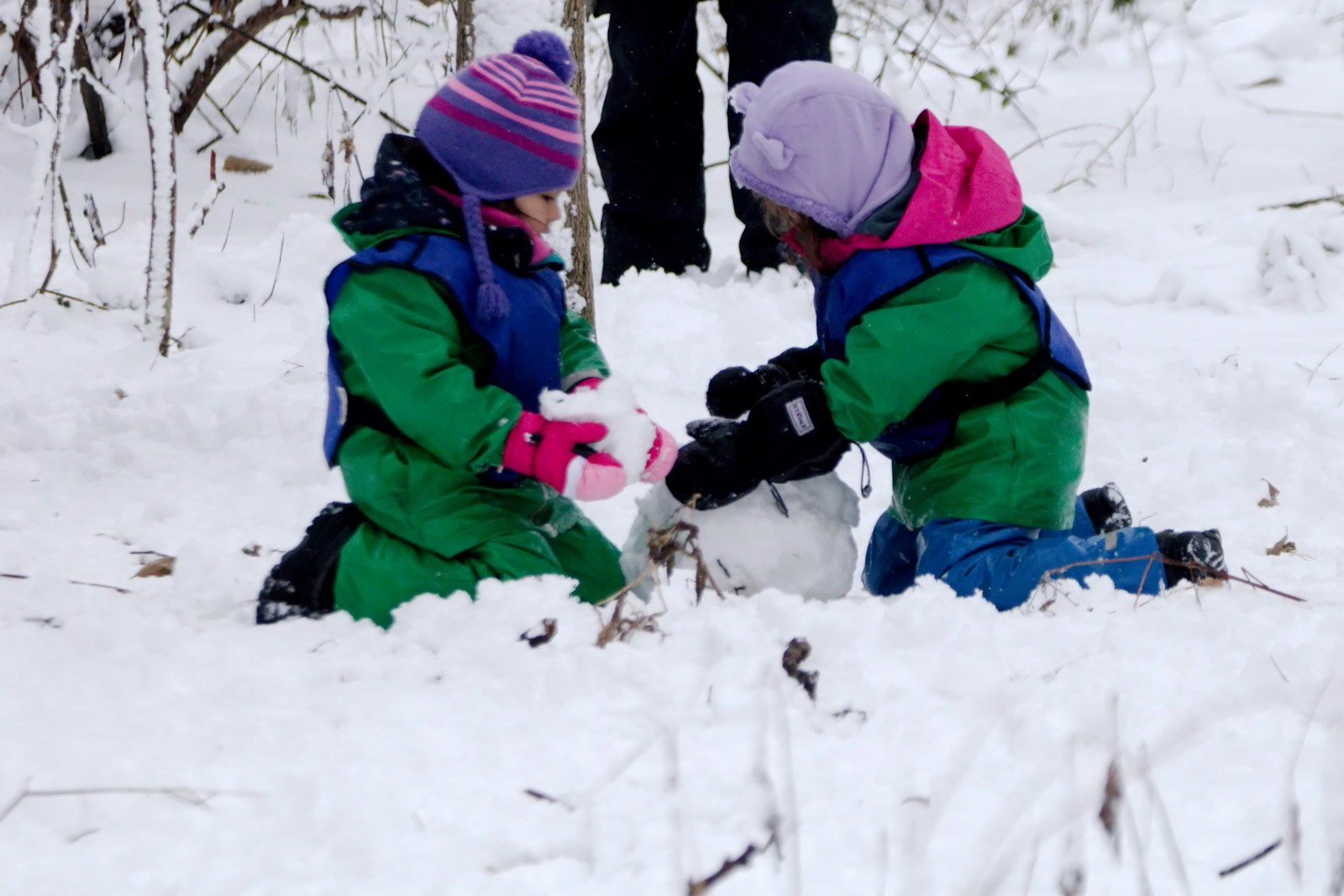
If you have snow, you already have options. Sled, snowshoe, build a fort, or take a slow walk through a snowy park.
For a much more extreme look at winter skills, our article on camping in a snowstorm with no tent or sleeping bag shows how shelter, firewood, and judgment become the whole story when conditions turn harsh.
That video is interesting to watch. It is not a beginner plan to copy. For normal winter fun, stay well inside your skill level.
8. Spend five minutes under the night sky
Winter nights come early, which makes stargazing easier to fit into a normal evening.
Step away from bright lights. Let your eyes adjust. Find the brightest star or planet you can see, then look for a few simple patterns.
You do not need to turn it into a science lesson. Five quiet minutes outside can be enough.
9. Turn a walk into light winter fitness
A simple out-and-back walk can become an easy fitness routine. Walk ten minutes out, turn around, and walk ten minutes back.
If you like the energy of winter sports, our January sports guide looks at why the month feels so active even when much of the country is cold.
10. Volunteer outside
Park cleanups, trail groups, and nature centers can turn a cold morning into useful time outside.
Even one hour can make you feel more tied to a place. It also gives the outing a clear reason beyond exercise.
Keep winter safety simple
Winter plans should stay flexible. Check weather before you leave. Know when sunset comes. Tell someone where you are going on longer trips.
- Wear layers and keep a dry layer in reserve.
- Carry water and a snack.
- Use footwear that matches the trail.
- Bring a light because darkness comes early.
- Turn around if weather or trail conditions get worse.
Staying dry matters. Heavy shivering, confusion, clumsy movement, or slurred speech can be signs of dangerous cold stress. Treat winter weather with respect and make conservative choices.
A simple weekly January plan
- Day 1: 20-minute winter walk.
- Day 2: birding or a photo walk.
- Day 3: an easy trail or park loop.
- Bonus: five minutes under the night sky.
January is also full of dates and traditions beyond the outdoors. Our January history overview is an easy next read when you come back inside.
The best January outdoor plan is the one you will actually use. Dress for the day, keep the outing simple, and go often enough that winter starts to feel like a season to enjoy instead of endure.