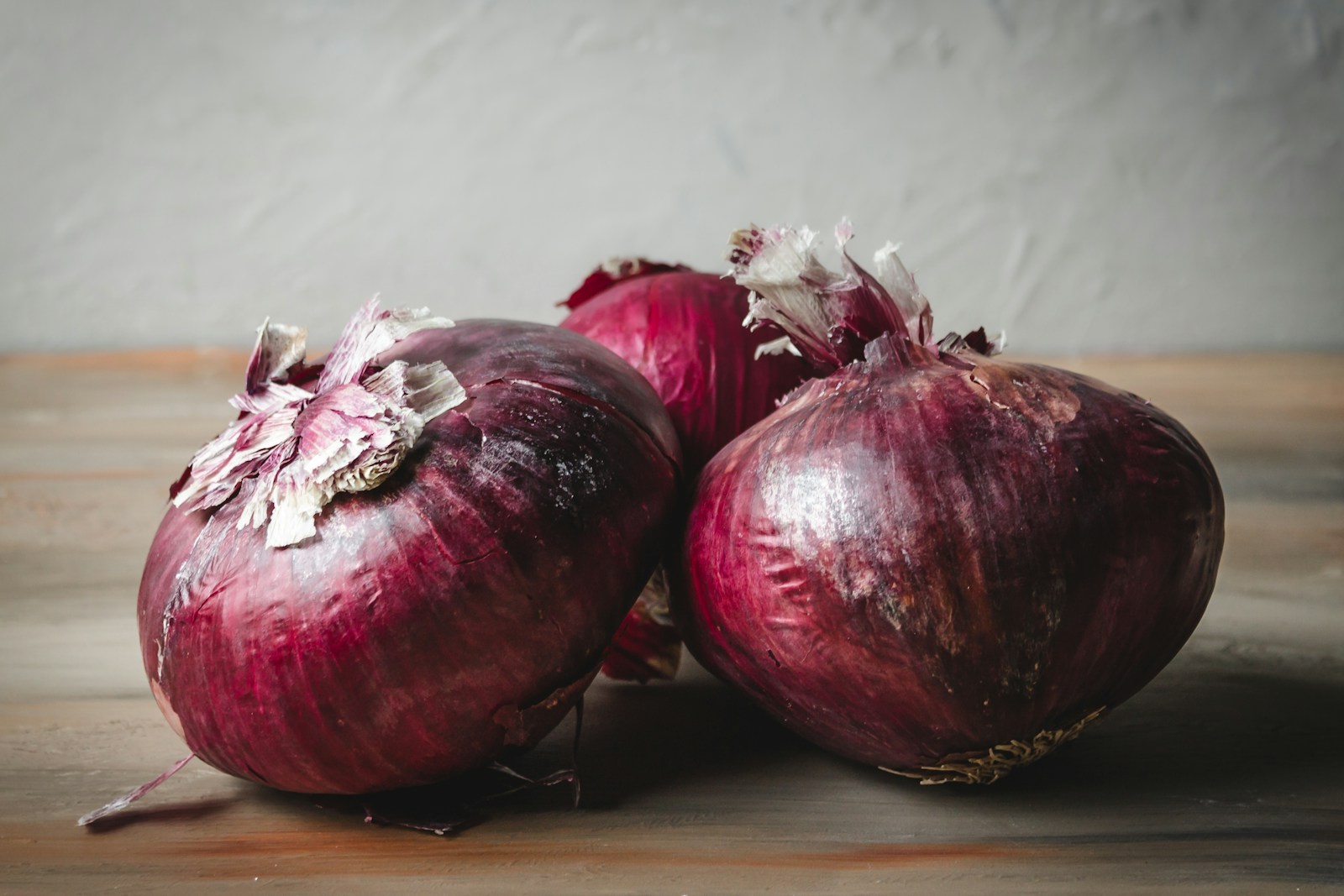
Onions are simple plants, but one choice matters before anything else. You need a type that fits your day length.
Once that part is right, the rest is basic garden work. Give onions sun, loose soil, steady water, light feeding, and very little weed pressure.
You can grow onions from seed, transplants, or small bulbs called sets. Seeds give you the widest choice. Sets are fast and easy.
Onions are shallow-rooted. That means they need steady moisture and careful weeding. Deep hoeing can damage roots and bulbs.
The reward comes at harvest. A well-grown onion can move straight to the kitchen or cure for months of storage.
If you are starting onions from seed, our seed germination guide covers warmth, moisture, light, and early seedling care.
Choose the Right Onion Type
Onion bulbs begin to form when daylight reaches the level that a variety needs.
- Short-day onions suit much of the South.
- Intermediate-day onions fit many middle regions.
- Long-day onions suit northern areas with long summer days.
The University of Minnesota Extension onion guide explains that long-day onions need about 14 or more hours of daylight to form bulbs. It also notes that onions need full sun, well-drained soil, and steady moisture.
Seeds or Sets?
Seed gives you more varieties and lets you choose the exact onion type for your region. Start seeds indoors well before transplant time if your season is short.
Sets are small bulbs grown the year before. They are easy to handle and quick to plant. Smaller sets are often a better choice for full bulbs because large sets can be more likely to flower early.
You can compare onion seed varieties on Amazon if you need a short-day, intermediate, or long-day type.
Prepare the Bed
Pick a sunny site with soil that drains well. Add compost before planting if the soil is low in organic matter.
Keep the bed smooth and free of large clods. Onion roots are small, so loose soil makes early growth easier.
For a wider look at warm-season bed planning, our summer vegetable garden guide shows how to fit several crops into one simple garden plan.
Sow Onion Seed
Start seed indoors when you need extra time before spring planting. Keep the mix moist and give seedlings strong light.
Where the season allows, you can also sow onion seed directly into workable spring soil. Thin seedlings so each bulb has room to grow.
Plant Onion Sets
Plant sets as soon as the soil can be worked in spring. Put the bulb in shallowly, with the tip near the soil surface.
Give storage onions enough room to make full bulbs. If plants are closer together, you can pull some early as green onions.
Water and Feed Carefully
Onions need steady moisture because their roots stay near the surface. Water deeply enough to wet the root zone, then let the soil drain.
A thin mulch can help hold moisture and slow weeds. Keep it loose around the bulbs.
Onions use nitrogen during early leaf growth, but too much late feeding can delay maturity and hurt storage quality. Follow a soil test when possible.
Keep Weeds Down
Weeds compete hard with onions. Pull them while they are small or use a shallow hoe.
Do not chop deep beside the plants. Onion roots and bulbs can be damaged easily.
If you are building a larger food garden, Wright Gardens carries herb and vegetable plants and other garden material for home growers.
Watch for Bolting, Thrips, and Rot
Bolting means the plant sends up a flower stalk before making the bulb you want. Stress, cold swings, and large sets can raise the risk.
Thrips can scar leaves. Fungal disease can also show up in wet or crowded beds. Good spacing, crop rotation, and clean garden habits help.
Know When Bulbs Are Ready
As onions mature, the tops begin to yellow and fall. Harvest storage onions when about half or more of the tops have fallen and started to dry.
Lift bulbs on a dry day. Be gentle. Cuts and bruises can shorten storage life.
Cure Onions for Storage
Curing dries the neck and outer skins. Place onions in a warm, dry, airy spot for a few weeks until the skins are papery and the necks are tight.
After curing, trim the roots and tops. Store good bulbs in a cool, dry place with airflow.
Mesh bags help air move around stored bulbs. You can compare mesh produce storage bags on Amazon if you need a simple storage option.
Use Onions as Part of a Year-Round Garden
Onions fit well beside many other crops because they use little space. They can also bridge cool spring weather into the summer garden.
If you want another easy crop for the same garden, our bean growing guide covers bush, pole, lima, and dry beans.
Choose the right onion for your daylight, keep the bed clean, water with care, and cure the crop well. Those four habits do most of the work.