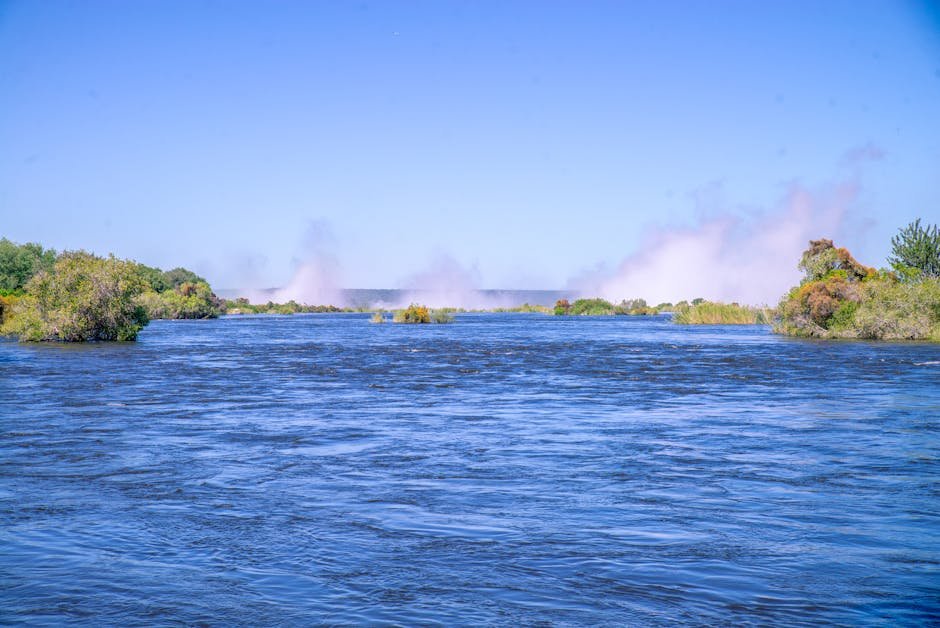
Mana Pools National Park sits beside the Zambezi River in northern Zimbabwe. It is a place of wide floodplains, old river channels, tall trees, and abundant wildlife.
The park feels wild because animals move through an open landscape. Elephants cross the plains. Hippos rest in the water. Lions and African wild dogs hunt across the valley.
Mana Pools is best known for close views of nature. Visitors may explore by vehicle, canoe, or on guided walks. Each way gives a different view of the park.
The dry season draws many animals toward the river and pools. This makes wildlife easier to see. It also creates some of the park’s most famous scenes.
This is not a simple city break. Travel here takes planning. Heat, rough roads, wildlife, and remote camps are all part of the trip.
For travelers who enjoy wild places, that effort is part of the appeal. Mana Pools offers a rare chance to slow down and watch a living river landscape at work.
What Makes Mana Pools Special?
The name Mana refers to four pools formed by old channels of the Zambezi. Water shapes the whole area. During the dry months, animals gather near the river, pools, and green riverbank woods.
Mana Pools National Park itself covers about 219,600 hectares. It forms part of the much larger Mana Pools, Sapi and Chewore World Heritage property. UNESCO lists the full property at 676,600 hectares and says it was inscribed in 1984.
The landscape is linked to Zambia across the river. If you enjoy remote nature trips, our Galápagos National Park guide offers another look at how protected places can shape a travel experience.
Wildlife You May See
Elephants are among the best-known animals at Mana Pools. Some have learned to stand high on their back legs to reach branches. The sight can be striking, but visitors should always give them space.
Buffalo, zebra, waterbuck, kudu, and other antelope also use the valley. Lions, leopards, hyenas, cheetahs, and African wild dogs are among the predators found in the wider protected area.
The Zambezi supports large numbers of hippos and Nile crocodiles. Bird life is rich too. UNESCO reports more than 450 resident and migratory bird species in the World Heritage property.
Wildlife viewing here can feel very different from island travel. Our Wonders of the Galápagos Islands article is a useful comparison for travelers who enjoy wildlife-focused trips.
Walking Safaris
Walking is one of the experiences that makes Mana Pools famous. A good guide can help you read tracks, notice wind direction, and understand animal behavior.
Walking near large wild animals carries real risk. Never treat it like a casual hike. Follow park rules and your guide’s directions at all times. Keep your distance and never approach an animal for a photo.
A compact pair of safari binoculars can help you watch wildlife without moving closer.
Canoeing the Zambezi
Guided canoe trips offer another view of the park. From the river, you may see elephants on the bank, birds over the water, and hippos in quiet channels.
Hippos and crocodiles make this a serious wild river. Use an experienced operator. Listen closely to safety instructions. Do not paddle alone unless local rules and your skill level clearly allow it.
Game Drives and Photography
Game drives let visitors cover more ground. Early morning and late afternoon are often pleasant times to look for wildlife because the light is softer and the heat is lower.
Mana Pools is also loved by photographers. Tall albida trees, open floodplains, dust, and low sun can create dramatic scenes. A phone can work well for broad views, while a longer lens helps with distant animals.
If visual travel stories are what draw you in, our Bora Bora travel guide shows how a very different landscape can be explored through water, light, and place.
When to Visit Mana Pools
The dry season is the main wildlife-viewing period. As water becomes scarce away from the Zambezi, animals gather closer to the river and remaining pools.
Conditions can change from year to year. Roads may also be affected by rain. Check current park access, camp rules, and road conditions before travel.
Where to Stay
Options range from simple camps to guided tented camps and higher-end safari stays. The right choice depends on your budget, transport, and comfort level.
Camping can put you close to nature, but this is real wildlife country. Never feed animals. Keep food secure. Follow all local instructions about camp safety.
The same basic idea applies in wild places anywhere: leave the land as you found it. This Leave No Trace camping guide gives simple habits for reducing your impact outdoors.
What to Pack
- Light, neutral clothing
- A wide-brim hat
- Sunscreen
- Insect repellent
- Binoculars
- A refillable water bottle
- A small first-aid kit
A wide-brim outdoor hat is a simple item that can make long hours in strong sun more comfortable.
Why Conservation Matters
Mana Pools protects more than a beautiful view. It helps hold together a large river ecosystem used by many species. The wider World Heritage property also protects important seasonal movement and feeding areas.
UNESCO continues to watch threats to the area. These include poaching, river changes, erosion, and proposed development. Responsible tourism cannot solve every problem, but careful visitors can reduce their own impact.
A Wild Place Worth Planning For
Mana Pools is not famous because it is easy. It is famous because the landscape still feels alive and open. The river, animals, trees, and seasons all shape the visit.
Plan well. Use skilled guides. Respect wildlife. Check current rules before you go. Then give yourself time to watch, listen, and enjoy one of southern Africa’s great wild landscapes.