February is the month when a garden quietly wins.
Outside, the beds can still look sleepy. But indoors, on a sunny window or under a simple light, seeds wake up fast. In other words, February is when we get a head start that pays off for months.
The best February crops share a few traits:
- They like cool weather, so they can go out early.
- Or they grow slowly, so they need extra time indoors.
- Or they are “set-and-forget” plants that reward early starts.
Below is a practical February list you can use right now. Radishes Are the Fastest, Healthiest Crop You Can Grow (And They Fight Pests Too). It is split into three simple groups: start indoors, direct sow outside in mild areas, and plant from sets or pieces.
The February All-Stars to Start Indoors
These crops thrive when we start them inside. They transplant well. And they often struggle if we wait too long.
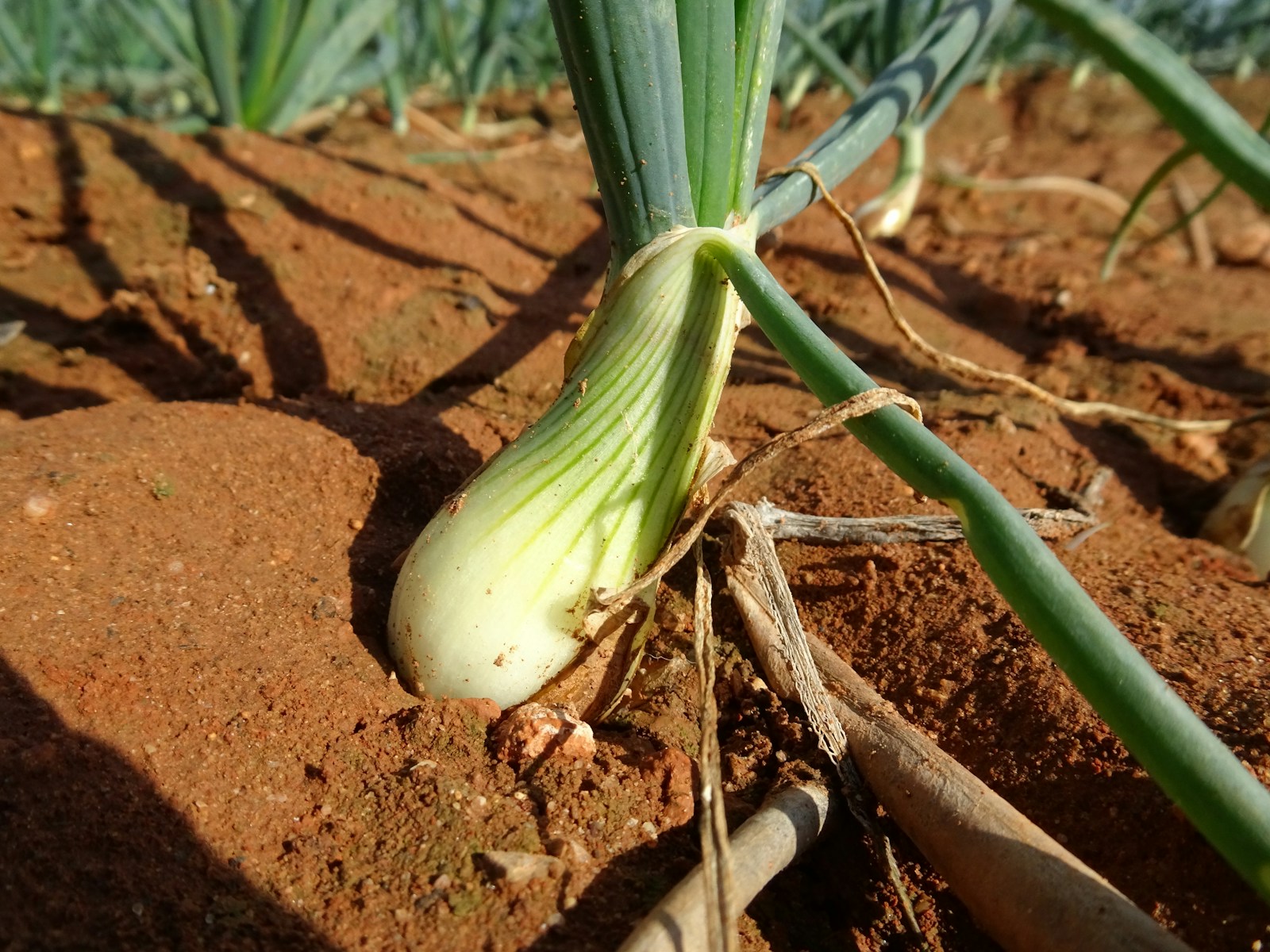
1) Onions (from seed)
Onions started in February can grow into strong plants before they ever hit the garden.
Why it works:
- Onions are slow at first.
- Bigger seedlings make bigger bulbs later.
Simple start:
- Sow thickly in a tray.
- Keep them trimmed like little green haircuts.
- Transplant clumps or singles when the soil is workable.
Best types to start now:
- Bulb onions
- Bunching onions
- Shallots from seed (if you grow them that way)
2) Leeks
Leeks are like onions that took their time. And that is why February is perfect.
Why it works:
- They grow slowly.
- They love cool weather.
- They can handle light frosts once outside.
Simple start:
- Sow in a tray.
- Keep them evenly moist.
- Transplant when pencil-thick.
3) Lettuce
Lettuce started in February gives us early salads with less pest pressure.
Why it works:
- Lettuce germinates fast.
- It prefers cool temps.
- Transplants help us get a cleaner start than outdoor sowing.
Simple start:
- Sow in small cells.
- Give bright light to prevent stretching.
- Transplant when plants have 3–4 true leaves.
Extra tip:
- Grow a few trays. Stagger them. That keeps salads coming.
4) Kale
Kale started in February grows into tough, steady plants that handle spring swings.
Why it works:
- Kale loves cool weather.
- Early plants often taste sweeter.
- Transplants get ahead of chewing pests.
Simple start:
- Sow in cells.
- Transplant while young, not root-bound.
5) Broccoli
Broccoli rewards early planting. But it wants time to build size before heat arrives. 5 Acidity Fighting Remedies From Your Kitchen and Herb Garden.
Why it works:
- Broccoli prefers cool growing.
- A February start helps it mature before warm days.
Simple start:
- Sow in cells.
- Keep seedlings cool and bright.
- Transplant once nights are no longer harsh.
6) Cabbage
Cabbage is another cool-season classic that loves a February head start.
Why it works:
- It needs time to form tight heads.
- Early plants often face fewer insects.
Simple start:
- Sow indoors.
- Harden off well.
- Transplant before plants get too big.
7) Cauliflower
Cauliflower can be picky. A steady start indoors helps.
Why it works:
- It likes consistent growth.
- It bolts or stalls if stressed.
Simple start:
- Sow in cells.
- Avoid letting seedlings dry out.
- Transplant while still young and sturdy.
8) Brussels sprouts
Brussels sprouts are slow and patient. February is the right tone.
Why it works:
- They take a long season.
- Early starts build strong stems.
Simple start:
- Start indoors now.
- Transplant when weather settles.
- Plan for a long ride.
9) Celery
Celery is one of the slowest crops we grow. February is not early. February is on time.
Why it works:
- Celery needs a long season.
- The seed is tiny and slow to sprout.
- Bigger transplants do much better.
Simple start:
- Sprinkle seed on the surface.
- Press gently. Do not bury deep.
- Keep it moist and warm until it sprouts.
10) Parsley
Parsley can take its time to germinate. Starting in February helps us not miss the season.
Why it works:
- Germination can be slow.
- Plants grow steadily once established.
Simple start:
- Soak seed overnight if you like.
- Sow in cells.
- Be patient. It will show up.
11) Cilantro (in cool regions)
Cilantro likes cool weather. It bolts fast in heat. So early planting is a big advantage.
Why it works:
- Cool temps keep it leafy longer.
- Early harvest is easier.
Simple start:
- Sow in deeper cells if possible.
- Transplant gently. Cilantro has a taproot.
12) Early herbs that love a head start
A few herbs shine when started now:
- Thyme
- Oregano
- Sage
- Chives
Why it works:
- They are slow from seed.
- They become long-term plants.
Simple start:
- Use small cells.
- Give strong light.
- Do not overwater.
February Crops You Can Often Sow Outdoors in Mild Winters
In warmer places, February can already be planting season. Cool soil is fine for many crops.
These crops thrive when seeded outside early because they prefer cool air and steady moisture.
1) Peas
Peas are a February favorite in mild areas.
Why it works:
- They like cool soil.
- They climb when days lengthen.
Quick notes:
- Use a trellis early.
- Plant in rows or wide bands.
- Keep soil evenly moist.
2) Spinach
Spinach is built for cool weather. Best Vegetables for Container Gardening on Patios and Balconies.
Why it works:
- Heat makes it bolt.
- Cool temps keep it sweet.
Quick notes:
- Sow thickly for baby leaves.
- Thin for larger plants.
- Harvest often.
3) Radishes
Radishes are fast. They fill gaps. They teach timing.
Why it works:
- Cool weather makes them crisp.
- They mature in weeks.
Quick notes:
- Sow every 10–14 days.
- Harvest on time for best texture.
4) Carrots (in workable soil)
Carrots can be planted early when soil is not soggy.
Why it works:
- They like cool starts.
- Early sowing can beat summer pests.
Quick notes:
- Plant shallow.
- Keep the surface moist until sprouted.
- Thin early for straight roots.
5) Beets
Beets handle cool weather well and grow steadily.
Why it works:
- They germinate in cool soil.
- Leaves and roots both taste good.
Quick notes:
- Each “seed” is a cluster.
- Thin to avoid crowded roots.
6) Turnips
Turnips are quick and reliable in cool seasons.
Why it works:
- Cool weather improves flavor.
- They grow fast.
Quick notes:
- Harvest young for tenderness.
- Use greens like spinach.
7) Mustard greens
Mustards love cool weather and grow fast.
Why it works:
- Cool temps keep them tender.
- They bounce back after cutting.
Quick notes:
- Sow thickly for baby greens.
- Thin for full-size leaves.
8) Collards
Collards can be started indoors or direct sown in mild areas.
Why it works:
- Cool weather suits them.
- Plants are tough and steady.
Quick notes:
- Harvest outer leaves.
- Let the plant keep growing.
February “Plant From Pieces” Crops
Some crops are not started from seed in February. Instead, Birria Recipe plant sets, roots, or pieces. These thrive because they already have stored energy.
1) Potatoes (in many mild regions)
Potatoes can go in once the soil is workable and not waterlogged.
Why it works:
- Cool soil helps them sprout steadily.
- Early planting can avoid peak heat.
Simple start:
- Cut seed potatoes into chunks with 1–2 eyes.
- Let pieces dry a day to form a skin.
- Plant and mound as they grow.
2) Garlic (late planting in warmer spots)
Garlic is usually planted in fall. But in warmer climates, some gardeners still plant in late winter with fair results.
Why it can work:
- Garlic needs cool time to form bulbs.
- Mild winters can still give enough chill.
Simple start:
- Plant cloves point up.
- Mulch lightly.
- Keep evenly moist.
3) Asparagus crowns
Asparagus is a long game. February is often when crowns go into prepared beds.
Why it works:
- Cool planting reduces stress.
- Crowns establish before heat.
Simple start:
- Dig a trench.
- Spread roots like a spider.
- Cover gradually as shoots grow.
The Simple Rule That Makes February Planting Work
February success is less about the calendar and more about timing.
We win when we match crops to cool weather.
Here is the easy method:
Count backward from your last frost window
Many seed packets say things like “start indoors 6–10 weeks before last frost.”
We can use that without stress.
- Slow crops (celery, onions, leeks): start earlier.
- Medium crops (broccoli, cabbage, kale): start now.
- Warm crops (tomatoes, peppers): often wait a bit longer, unless you live in a very warm area or have strong indoor light.
This keeps seedlings sturdy. It also prevents the sad, skinny seedlings that come from starting too early in weak light.
A February Starter List You Can Copy and Use
To make it simple, here is a clean “most gardens” February list.
Strong February indoor starts
- Onions
- Leeks
- Celery
- Lettuce
- Kale
- Broccoli
- Cabbage
- Cauliflower
- Brussels sprouts
- Parsley
- Thyme, oregano, sage, chives
Often direct sow outdoors in mild areas
- Peas
- Spinach
- Radishes
- Carrots
- Beets
- Turnips
- Mustard greens
- Collards
Plant from pieces
- Potatoes
- Asparagus crowns
- Garlic cloves (sometimes)
Small Steps That Make Seedlings Thrive
A February start is only as good as the care that follows. Choose The Right Outdoor Planters For Easy Gardening. The good news is this part is simple.
Give bright light
February sun through a window is often not enough by itself.
Seedlings thrive with:
- a bright window plus a light
- or a basic shop light placed close to the leaves
Strong light keeps plants short and sturdy.
Keep water even, not heavy
Seedlings hate two things:
- dry swings
- soggy soil
We aim for soil that feels like a wrung-out sponge.
Keep air moving
A small fan on low helps seedlings grow thicker stems. It also reduces mold.
Do not overfeed
Most seedlings only need light feeding after the first true leaves appear. Too much fertilizer makes weak, soft growth.
Harden off before planting out
When it is time to move plants outside, we do it slowly.
A steady hardening-off routine helps plants handle wind, sun, and cool nights without shock.
A Quick February Game Plan That Feels Good
This is a simple plan that works for many gardeners:
- Start onions, leeks, celery, and herbs first.
- Start brassicas and lettuce next.
- Sow peas, spinach, and radishes outside if your weather allows.
- Plant potatoes once soil is workable.
- Repeat small sowings of lettuce and radishes for steady harvests.
This keeps the work light. It also spreads out harvests, which feels great later.
The Garden Wakes Up First on the Seed Tray
February is not a waiting month.
It is a building month.
We start the crops that love cool weather. We give them bright light and steady care. Then we step into spring with plants that already know how to grow.
That is the real February advantage.