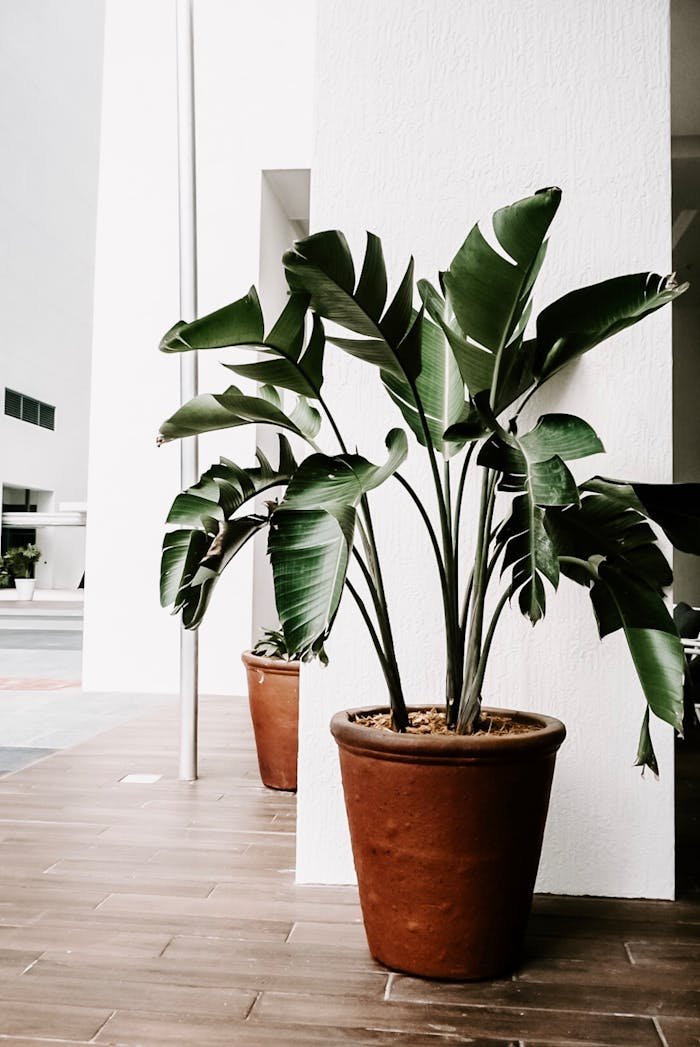
A tropical garden can feel wild and calm at the same time. Big leaves fill the view. Palms rise above the beds. Ferns soften the edges. Every turn can show a new shape or shade of green.
That is the appeal of Doc Block’s Florida backyard. The video tour moves through a dense plant collection. Aroids are a big part of it. Palms, cycads, and ferns add more layers.
The garden also shows that tropical style is not just about buying rare plants. It comes from placing plants well. It takes time. It also takes close care when heat, rain, wind, or cold change the garden.
Aroids stand out because their leaves can be bold. Some climb. Some form tight clumps. Others spread wide. That mix gives a garden many shapes without needing a lot of flowers.
Florida can be a good place for this look. Yet even a warm yard has small climate zones. A wall may hold heat. A tree may give deep shade. An open bed may get cold wind. Good gardeners learn these spots.
The best lesson from a garden tour is simple. Watch how plants respond. Move them when a spot is wrong. Change the water or soil when growth slows. A garden gets better through small choices made over time.
Why Aroids Work So Well
Aroids belong to the Araceae family. The group includes familiar plants such as anthuriums and philodendrons. Many are grown for strong leaf form. That makes them useful in a garden built around texture.
Care is not the same for every aroid. That matters. It is easy to hear one rule and use it on every plant. A better plan is to learn what each plant needs.
For example, UF/IFAS Extension says anthuriums like moist, well-drained soil with plenty of organic matter. Outdoors, they do well in low light. Indoors, they need bright indirect light.
Drainage is key. A loose mix can hold some moisture while still letting air reach roots. If you grow tropical plants in pots, a simple aroid potting mix can be a useful starting point. Check the plant and pot before you water again.
Build Layers Instead of Rows
Doc Block’s yard feels full because plants sit at many heights. Tall plants make a roof. Mid-size foliage fills the middle. Low plants cover open ground. This gives the eye more to see.
You can use the same idea in a small yard. Start with the biggest plants. Then fill gaps with smaller ones. Our guide to simple garden design shows why a few clear choices often work better than a crowded plan.
Leave room for growth. A young tropical plant can look small in a pot. It may become wide in one warm season. Crowding too soon can make watering, pruning, and pest checks harder.
Cold Weather Changes the Plan
A Florida garden can still get cold. Tender foliage may burn. A plant in an open spot may suffer more than one beside a wall or under a tree. That is why local shelter matters.
Do not assume every brown leaf means a plant is dead. Wait and look for firm stems or new growth. Cut away dead tissue when it is clear what survived. If another cold night is near, give tender plants protection first.
Weather is one reason flexible gardens do well. Our look at climate-smart gardening explains how shade, water, soil cover, and plant choice can help a yard handle stress.
Use Simple Tools and Watch the Plants
You do not need a shelf full of gadgets. Your finger can tell you a lot about pot moisture. A basic soil moisture meter can also help when a deep pot is hard to judge.
Look at leaves too. Droop, yellow color, spots, and dry edges are clues. They do not always point to one cause. Check light, water, roots, pests, and recent weather before making a big change.
Small mistakes are normal. In fact, they teach you how a plant behaves in your yard. Our article on common gardening mistakes makes the same point: learn, adjust, and keep going.
Add Plants With a Purpose
A large collection can be fun. It can also become work. Before adding a plant, ask what it brings. Maybe you need height. Maybe you need a bright leaf in a dark corner. Maybe you want one rare plant as a focal point.
For a different foliage look, Calathea roseopicta ‘Angela’ at Wright Gardens is an example of how patterned leaves can add interest without relying on flowers. Match any new plant to your own light and growing conditions.
The Main Lesson From the Tour
Doc Block’s backyard is fun to see because it feels personal. The plants are not arranged like a store display. They form a living collection that has changed over time.
That is a useful model for any gardener. Start with plants you enjoy. Learn their needs. Give them room. Watch what the weather does. Then make the next small change.
You do not need a huge tropical yard to use these ideas. One shaded porch or a few large pots can be enough. The goal is not to copy another garden. It is to learn from it and build a space that works for you.