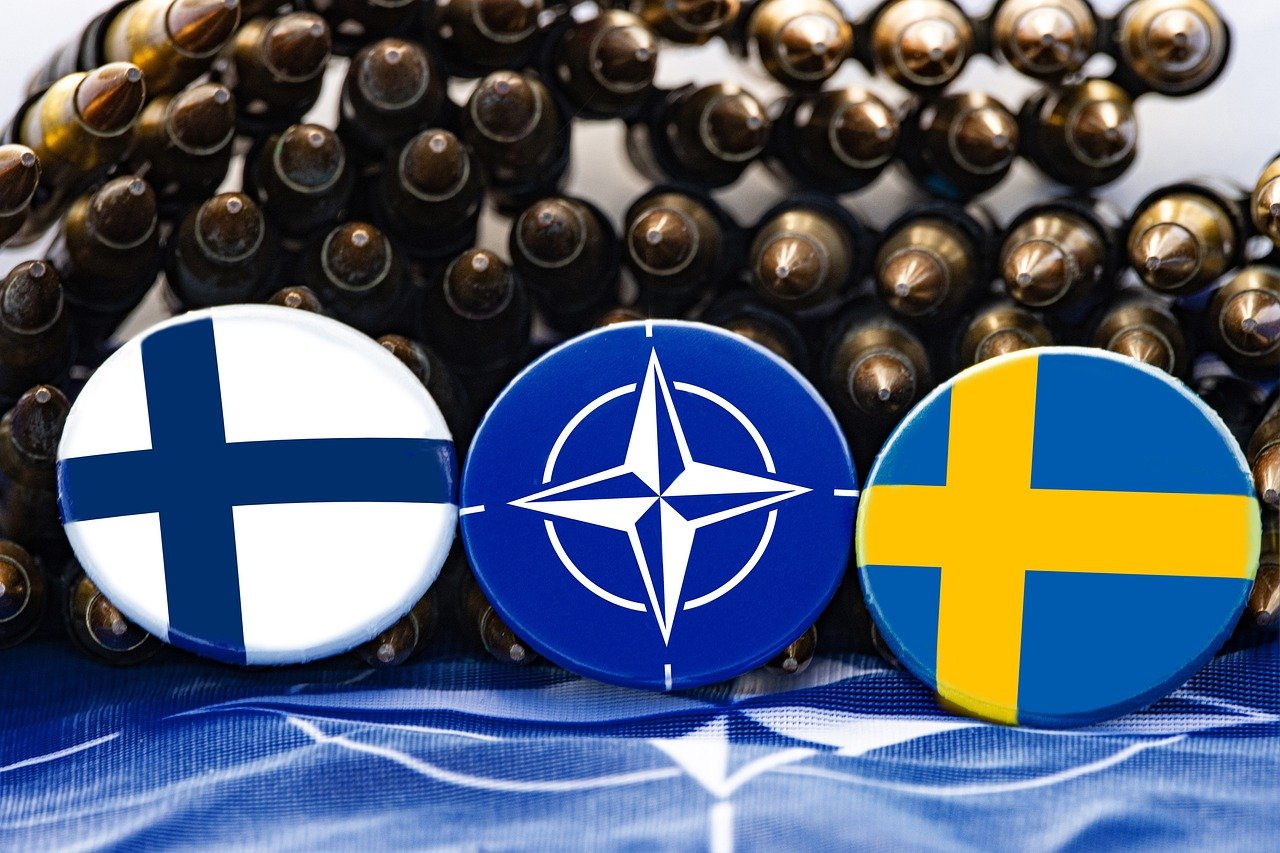
At the NATO summit in Washington on July 11, 2024, President Joe Biden made a verbal mistake that quickly became a major news story. While introducing Ukrainian President Volodymyr Zelenskyy, Biden called him “President Putin” before correcting himself.
The moment was awkward. It came during a tense period in U.S. politics. Questions about Biden’s age and campaign were already getting heavy attention.
Still, one mistake cannot tell us everything about a president, a summit, or a person’s health. It helps to separate the clip from the larger event.
The summit itself dealt with defense, Ukraine, and the future of NATO. Those policy choices mattered long after the viral moment faded.
It is also useful to remember when this story happened. This article looks back at July 2024. It should not be read as a report on current presidential politics.
With that context in place, the video is easier to judge. We can watch what happened without turning a short clip into a medical diagnosis or a sweeping claim about U.S. diplomacy.
What Happened in Washington
Biden’s mix-up happened as he was introducing Zelenskyy. He corrected the name and the event continued. The error was real. So was the much larger meeting around it.
NATO’s own record of the summit shows that leaders met in Washington from July 9 through July 11, 2024. They discussed collective defense and long-term support for Ukraine. The official NATO summit record is a better source for those decisions than a short viral clip.
Why the Clip Became So Large
Short mistakes are easy to share. They need little setup. A viewer can understand the basic problem in seconds. That makes them powerful material for television, social media, and political debate.
Footage Vault has looked at the same problem from another angle in its guide to watching unusual viral clips critically. The subject is different, but the habit is useful: check the full setting before deciding what a clip proves.
A small media-literacy book can also be useful for readers who want a simple framework for checking sources, edits, headlines, and context.
A Verbal Error Is Not a Diagnosis
The original version of this article moved from a verbal error to speculation about cognitive health. That goes too far. A video clip can document words and behavior. It cannot, by itself, establish a medical condition.
That distinction matters with any public figure. Readers can discuss age, performance, communication, policy, and political consequences without pretending to make a diagnosis from afar.
The same care is useful when reading other high-stakes stories. Our article on U.S.-Russia escalation warnings explains why a dramatic statement should be placed beside the wider facts before drawing a conclusion.
What NATO Was Doing at the Summit
The Washington summit marked NATO’s 75th anniversary. Leaders discussed defense spending, deterrence, industrial capacity, cyber defense, and aid for Ukraine. Those were the summit’s central issues.
NATO Secretary General Jens Stoltenberg also met with Zelenskyy. NATO said its support for Ukraine was built to last and reaffirmed that Ukraine’s future is in NATO. That policy context gives the video more meaning than the mistake alone.
Readers who want a broader historical frame can compare the modern alliance story with our look at the human cost of World War II. NATO was founded in 1949, only a few years after that war ended.
How to Watch Political Clips More Carefully
Start with the full date and setting. Then find the longer video or transcript. Ask what happened before and after the clip. Separate what you can see from what a commentator says it means.
A simple notebook can help when you are comparing claims. Write down the claim, the source, the date, and the evidence. That small habit makes it easier to spot when opinion is being presented as fact.
For another practical approach to sorting information online, Tuars publishes plainspoken guides on technology and everyday topics. The useful habit is the same: slow down enough to check what a source actually supports.
The Better Takeaway
Biden did mix up Zelenskyy and Putin at the 2024 NATO summit. The mistake deserved accurate reporting. It also deserved context.
The clip did not prove a medical diagnosis. It did not erase the summit’s policy work. Looking at both the moment and the larger record gives readers a clearer picture of what happened.