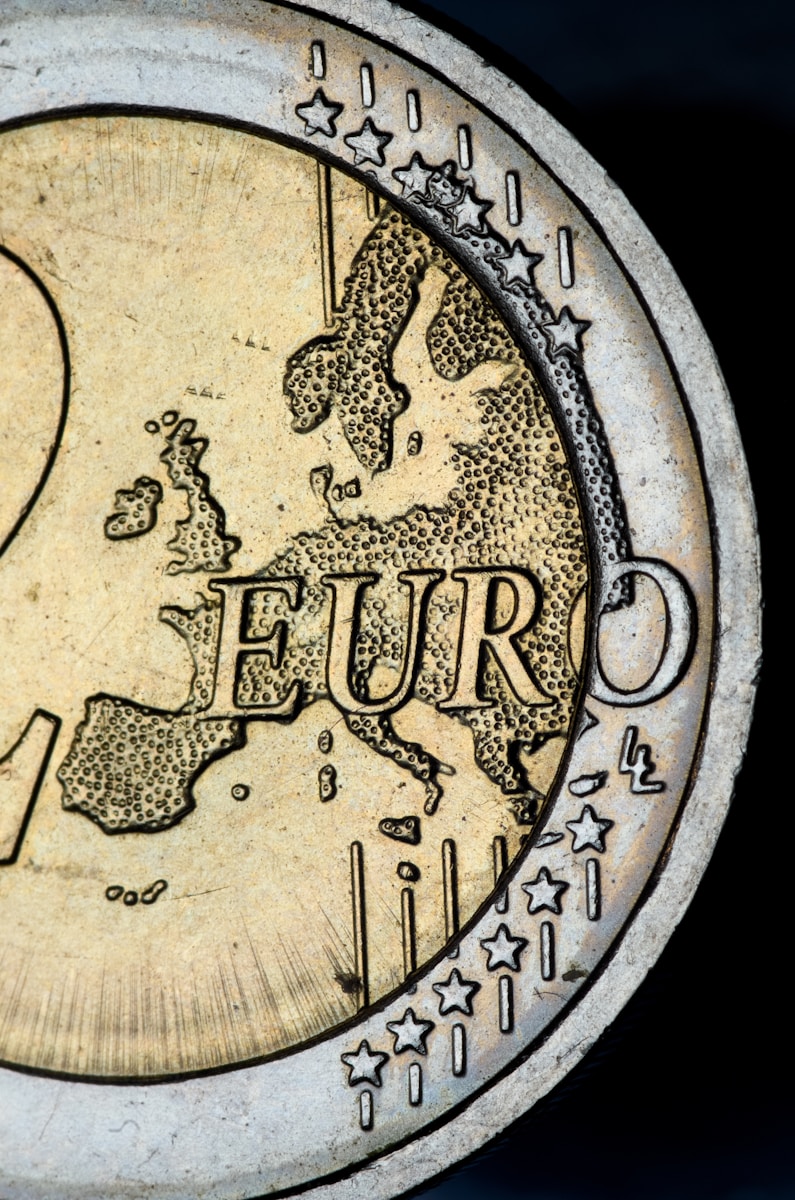
January 1, 1999 was a quiet day on the street.
Most people still had the same bills in their wallet. Shops still took francs, marks, pesetas, and lira. Cash drawers still sounded the same.
But under the surface, Europe changed.
That morning, the euro began as a real currency. Not as paper money yet. Not as coins yet. Instead, it began as the shared money used for banks, budgets, trade, and payments across a large part of Europe.
It was the start of a new money system. A system built to make buying, selling, saving, and pricing feel more connected across borders.
For many of us, the euro story feels like a single moment. Then we remember the notes and coins in 2002. That is the part we can hold in our hand.
But the true first day was 1999. The Emancipation Proclamation: A Paper That Moved an Army, and a Nation.
And that first day matters, because it shows how big change often arrives. It starts “invisible.” It starts in the back office. It starts in numbers on screens. Then it slowly becomes normal.
A new currency, before the cash
On January 1, 1999, the euro launched as a currency for 11 European Union countries. From that point on, those countries fixed their old currency rates forever. The values did not float against each other anymore. They locked in place.
In other words, those national currencies became like different ways to count the same money. Like inches and centimeters, but for price tags and paychecks.
For the first three years, the euro was mostly used for:
- bank transfers
- card payments
- business accounting
- government budgets
- stock and bond markets
- cross-border trade
It was often called an “invisible” currency. It was real money, but most people did not touch it yet.
That was not a flaw. It was the plan Tradescantia zebrina, Wandering Jew Green & White.
Europe wanted a smooth switch, not a shock. So the euro began in the systems first. Then it moved into pockets later.
The big idea behind the euro
The euro was not only about money. It was about daily life.
It aimed to make Europe feel simpler and more joined.
When many countries share one currency, a few things become easier:
- Prices are easier to compare across borders.
- Travel can feel simpler.
- Trade can get less messy.
- Currency swings stop hitting nearby neighbors as hard.
But most of all, a shared currency pushes countries to work together on rules, debt, and bank safety. It makes them tied together in a deeper way.
That is the part that feels bold.
It is easy to share a flag at a meeting. It is harder to share a currency every day.
What exactly happened at midnight
The euro launch was the start of the third and final stage of Europe’s Economic and Monetary Union, often called EMU.
On January 1, 1999, three key things happened:
- Exchange rates were fixed forever for the currencies of the first 11 countries.
- A single monetary policy began under the European Central Bank, the ECB.
- The euro became the unit of account for this new system.
This was not just a promise. It was a switch in how the money system worked.
After that point, those 11 countries did not run separate money policies anymore. They moved under one central bank plan for interest rates and price stability.
That is a huge shift.
It is like 11 households deciding to share one thermostat setting Vinca, Cora Cascade XDR Punch. Everyone still has their own rooms, but the heat is set together.
The first 11 countries
The first countries to use the euro from day one were:
- Austria
- Belgium
- Finland
- France
- Germany
- Ireland
- Italy
- Luxembourg
- Netherlands
- Portugal
- Spain
These were the original members in 1999.
Later, more countries joined. Greece joined the euro area on January 1, 2001. That is why the cash changeover in 2002 happened in 12 countries, not 11.
The conversion rates were locked in
A key part of the launch is easy to overlook.
The euro did not start as a brand-new number with no past. It started with fixed conversion rates between the euro and each national currency.
These rates were set so that, from the first second of 1999, one euro equaled a set amount of each old currency. Those rates were “irrevocable.” That means they could not be changed.
This step mattered because it created trust.
It meant a contract written in marks could be paid in euros, using a fixed rule. It meant a bank could change its systems without fear of a sudden shift the next week.
It also meant Viola, Peach Jump-up markets could price bonds and loans in euros right away.
In other words, the euro was built on clear math. That helped it move fast.
What people used the euro for from 1999 to 2001
The three-year period after the launch was like a long bridge.
During that time, most everyday cash spending still used national notes and coins. But behind the scenes, the euro was doing heavy lifting.
Here is what changed in a practical way:
Banks and electronic payments
Many bank systems began treating the euro as the “real” base unit. Transfers, statements, and large payments could be done in euros even while cash stayed national.
For people who used online banking early, the euro felt like a new setting on a screen.
Big business and trade
Large companies that sold across borders gained a simpler pricing world.
Instead of pricing in many currencies and hedging nonstop, they could price in euros and plan with less currency noise.
Government debt and markets
Many government bonds and financial products moved into euros. This helped create a deeper shared market for lending and investing.
That mattered for cost of borrowing. It also mattered for how Europe’s money markets worked.
A new shared central bank rhythm
The European Central Bank took responsibility for the shared policy. That meant one path for interest rates, aimed at keeping prices stable.
This was not a small change. It shaped loans, mortgages, and savings returns over time. Easy Crock Pot Spaghetti and Meatballs.
So even if people still paid cash in local notes, the euro was already shaping the economy.
2002 is the day most people remember
Most of us think of euro notes and coins. That memory is strong, and it makes sense.
On January 1, 2002, euro banknotes and coins entered circulation. That was the cash day.
It was also one of the biggest cash changeovers ever done. People traded in national notes. Shops updated registers. Vending machines were reworked. Price tags changed. Wallets changed.
But that 2002 moment was not the birth. It was the “public face” of a system that began in 1999.
If we keep that clear, the whole story feels smarter. It feels more planned. It feels less like magic.
The euro’s deeper meaning
We can talk about the euro as a tool. That is true.
But it is also a symbol.
It says that a group of countries decided to tie their daily money life together. That is a kind of trust. It is also a kind of risk.
This is where the euro story becomes human.
When times are good, a shared currency feels smooth. Travel feels easy. Trade feels open.
When times are hard, a shared currency tests patience. It forces hard talks about budgets, debt, banks, and rules. Chicken Pasta With A Kick.
In other words, the euro is not only a coin. It is a commitment.
And commitments are never “set and forget.” They take work.
What the launch teaches us about change
The euro’s start in 1999 shows a pattern we can use in our own lives.
Big change often begins in a place we do not see.
It begins with systems. With rules. With quiet steps.
Then, one day, the outside world catches up.
That is why the euro’s first day is so interesting to me.
It reminds us that the biggest shifts can start without fireworks.
They start with planning.
They start with people agreeing on a shared goal, then doing the slow work to make it real.
A simple way to picture January 1, 1999
If we want one clean image of that day, we can picture this.
Europe woke up with the same notes in hand. But the “money spine” underneath those notes had changed.
From that day forward, in 11 countries:
- the euro became the shared unit
- exchange rates locked in place
- one central bank policy began
- the path to cash in 2002 became a countdown, not a guess
It was quiet. It was bold. It was real.
The euro is still a living project
The euro did not freeze in time in 1999.
It grew. More countries joined over the years. Rules evolved. The euro area faced big tests, especially during financial stress.
Even in recent years, euro adoption has continued, showing that the project is still active, still expanding, and still shaping how Europe fits together. 100 Cool Tools To Take Your Workflow To The Next Level.
That makes the 1999 launch feel even more important. It was not a one-off event. It was the first day of a long shared journey.
A New Money Dawn
January 1, 1999 was the euro’s true first breath. It began as a currency before it became cash. It began in the places that run modern life: bank wires, budgets, and screens.
That kind of start tells us something steady.
Change that lasts is often built in layers. First the rules. Then the habits. Then the hands.
When we remember the euro’s first day, we are not only remembering a date. We are remembering what it takes to build something shared, and make it hold.