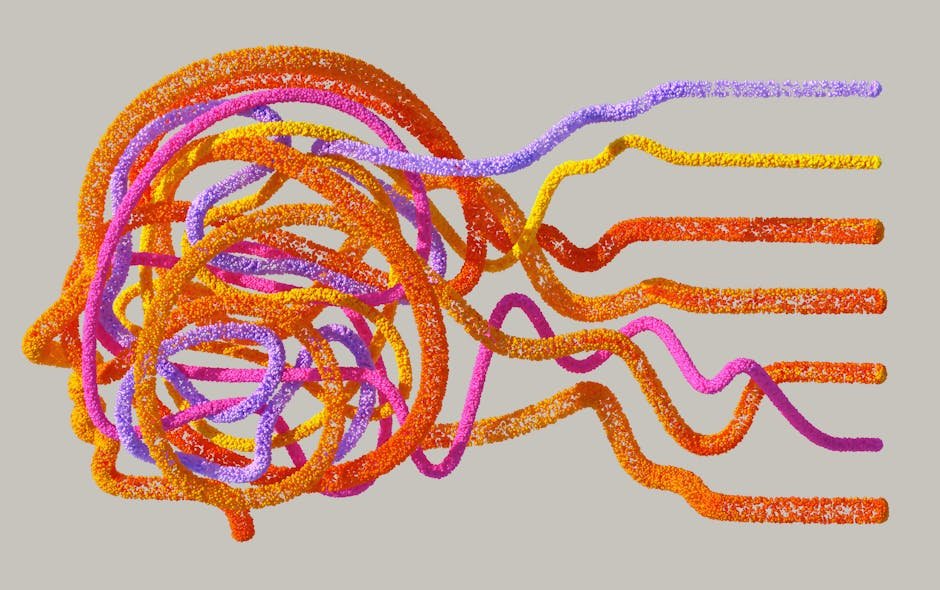
Déjà vu is that odd feeling that a new moment has happened before. You may enter a room, hear a sentence, or see a street and suddenly feel sure it is familiar.
The feeling is usually brief. You also know, at the same time, that the moment should be new. That clash between knowing and feeling is what makes déjà vu so strange.
The French term means “already seen.” Scientists do not treat ordinary déjà vu as proof of a hidden memory or a prediction. They study it as a clue to how recognition and memory work.
One useful idea is that familiarity and full recall are not the same thing. Your brain can produce a strong sense that something is known even when you cannot find a matching memory.
That is why a new place can feel familiar. A layout, sound, smell, or pattern may resemble something stored in memory without bringing the older event fully to mind.
Researchers still debate the details. The safest conclusion is simple: déjà vu appears to involve memory and familiarity systems, and several different brain processes may create the same feeling.
Why Familiarity Can Arrive Without a Memory
Memory is not one single filing cabinet. The brain can judge that something feels familiar before it can recall where that feeling came from. Déjà vu may happen when that familiarity signal appears at the wrong time.
A similar lesson appears when we look at how attention shapes what we notice. Attention, recognition, and memory work together, but they do not always stay perfectly in step.
Scene similarity may matter too. A new room might have the same rough shape as an older place. You may not consciously recall the old room, yet its pattern can still feel familiar.
The Temporal Lobe Connection
The temporal lobes are important for memory and recognition. The hippocampus, which sits within the medial temporal lobe, is also central to forming and organizing memories.
This connection is one reason neurologists pay attention to déjà vu in people with temporal lobe epilepsy. Cleveland Clinic explains that déjà vu can occur as an aura with temporal lobe seizures. That does not mean ordinary déjà vu is a seizure.
For most people, an occasional short episode is not a cause for alarm. The medical context matters when the feeling is frequent, unusually long, or comes with loss of awareness, confusion, shaking, or other new symptoms.
Attention, Stress, and Tiredness
Sleep loss, fatigue, and stress may make unusual familiarity experiences more noticeable in some people. They can also make attention and memory less steady.
Simple habits that support attention can help the brain work under less strain. Our guide on training your focus with fewer distractions covers practical ways to protect attention during a busy day.
If you enjoy reading about memory and the brain, a plain-language book about memory science can give useful background without turning every odd mental moment into a diagnosis.
Why Senses Can Make a Place Feel Familiar
Smell, sound, lighting, and layout can all become part of memory. A small sensory cue may bring back familiarity before you know what caused it.
That is easy to notice in highly sensory places. Even an account of an immersive sensory dining experience shows how strongly light, sound, aroma, texture, and place can combine into a memorable scene.
A simple memory journal can be useful if you enjoy tracking experiences. It will not diagnose déjà vu, but writing down sleep, stress, place, and what happened can help you notice patterns.
Déjà Vu Is Not the Same as Remembering
The key difference is simple. A memory usually gives you some detail about an earlier event. Déjà vu gives you familiarity without a clear source.
That makes it a useful example of how the mind can feel certain before it has evidence. The same gap between feeling and action is worth remembering when reading about the psychology behind everyday behavior.
When to Mention It to a Doctor
An occasional fleeting episode is common and usually harmless. It is worth talking with a healthcare professional if déjà vu becomes frequent, lasts longer than usual, or happens with confusion, headaches, loss of awareness, weakness, shaking, or a suspected seizure.
For most of us, déjà vu is simply a short reminder that memory is not a perfect recording. The brain builds familiarity, recall, and awareness in real time. Once in a while, those systems produce a moment that feels older than it really is.