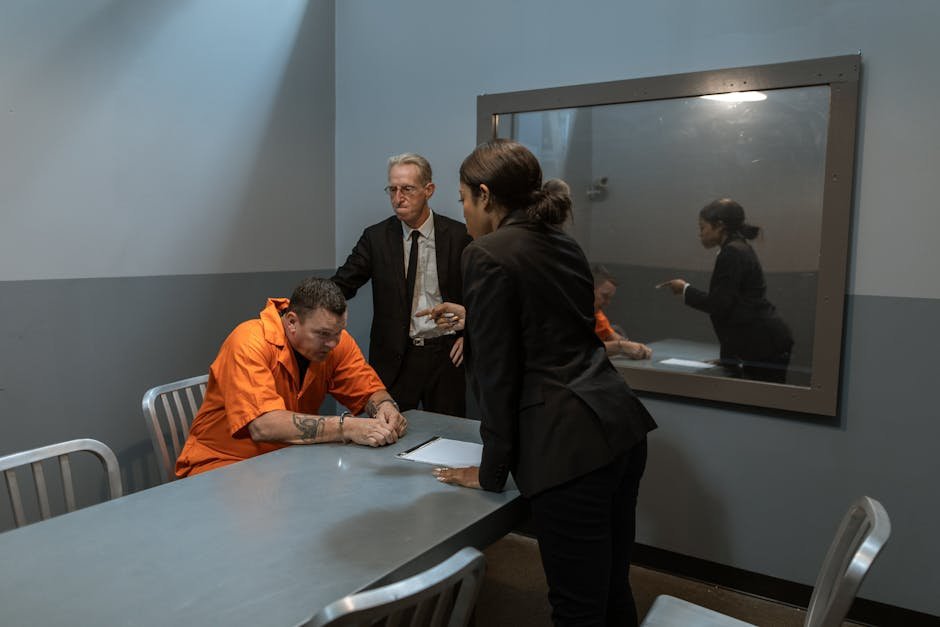
True crime documentaries turn real cases into stories we can watch, hear, and discuss. Some focus on murder. Others cover fraud, missing people, scams, cults, or wrongful convictions.
The genre can be hard to look away from. A real mystery carries weight. Viewers know the people and the harm were not invented for a script.
That makes true crime both powerful and difficult. Good work can explain a case with care. Poor work can turn pain into a hook and leave victims or families feeling used.
The appeal is not only fear. People also like puzzles, court stories, human behavior, and questions that do not have easy answers.
That same pull shows up in fictional mysteries too. Our look at The Case of the Whitechapel Vampire shows how clues and uncertainty can keep an audience engaged even when the story is not real.
For creators, the lesson is simple. A strong story still needs facts, context, and restraint. The Society of Professional Journalists Code of Ethics calls for accuracy, context, compassion, and care when reporting on people who may be affected by coverage.
Why True Crime Holds Attention
Real cases have natural stakes. A person disappeared. A crime happened. A trial changed a life. A question may still be open years later.
That creates tension without a writer having to invent it. Viewers want to know what happened, what the evidence shows, and whether the legal system reached the right result.
The Puzzle Is Part of the Appeal
Many documentaries are built around clues. They may use interviews, records, photos, maps, timelines, court footage, or old news reports. The viewer puts those pieces together while the story moves forward.
That can make a documentary feel active instead of passive. But viewers do not have the full case file. Online theories should never be treated as proof.
Streaming Made the Genre Easier to Find
True crime once lived mostly in books, newspapers, television specials, and courtroom programs. Streaming services made long documentary series much easier to watch.
A viewer can now move from one episode to the next without waiting a week. Podcasts and YouTube also gave the genre new formats and new audiences.
Video craft matters too. Interviews, old footage, quiet room tone, maps, and careful B-roll can make a complex case easier to follow. A related guide on using B-roll to support a story explains why supporting footage can add context without taking over the main narrative.
Real People Change the Rules
A true crime subject is not a fictional character. Victims had families, jobs, plans, friends, and private lives. Suspects may not have been convicted. Witnesses may still be living with the case.
That means a dramatic edit can have real effects. A careless claim can spread fast. A private person can become the target of strangers. A family can be forced to relive a loss.
This is why responsible storytelling should separate facts from claims, identify uncertainty, and avoid treating a person as guilty simply because a theory is interesting.
Victim-Centered Storytelling Matters
Some true crime stories spend so much time on the person accused of a crime that the victim becomes a footnote. A better approach gives the victim a full human place in the story.
That does not mean every documentary must take the same view. It means the work should avoid needless shock and remember who carries the cost of the event.
The same care matters when talking about violence more broadly. Our article on accountability and violence prevention looks at why serious problems often need more than one simple explanation.
True Crime Is Bigger Than Murder Cases
The genre also covers scams, financial fraud, cults, disappearances, organized crime, wrongful convictions, and historical mysteries.
That range matters. A case does not need graphic violence to create suspense. A missing record, false identity, disputed confession, or unexplained event can carry a whole documentary.
Historical mysteries use many of the same storytelling tools. Our guide to the Roanoke Lost Colony mystery shows how evidence, gaps, and competing explanations can keep a question alive for centuries.
Online Communities Can Help and Harm
True crime fans often gather online to compare timelines and discuss new reports. That can bring attention to forgotten cases. It can also spread bad information very quickly.
Viewers should be careful with names, accusations, private details, and rumors. A social post is not the same as a court record or a verified report.
A Good Documentary Shows Its Work
Strong true crime work makes it clear where information came from. It gives dates. It separates known facts from disputed claims. It gives viewers enough context to understand why a detail matters.
People who want to study the form can start with a book on documentary storytelling. Readers who prefer case-based material can also browse true crime books and compare how different authors handle evidence and point of view.
Why the Genre Will Keep Changing
True crime is likely to stay popular because it sits where mystery, journalism, law, psychology, and storytelling meet. New platforms will keep changing how those stories are told.
The better future for the genre is not simply more shocking stories. It is clearer work. Better sourcing. More context. More care for the people behind the case.
A true story can be gripping without losing its humanity. That is the standard worth keeping.