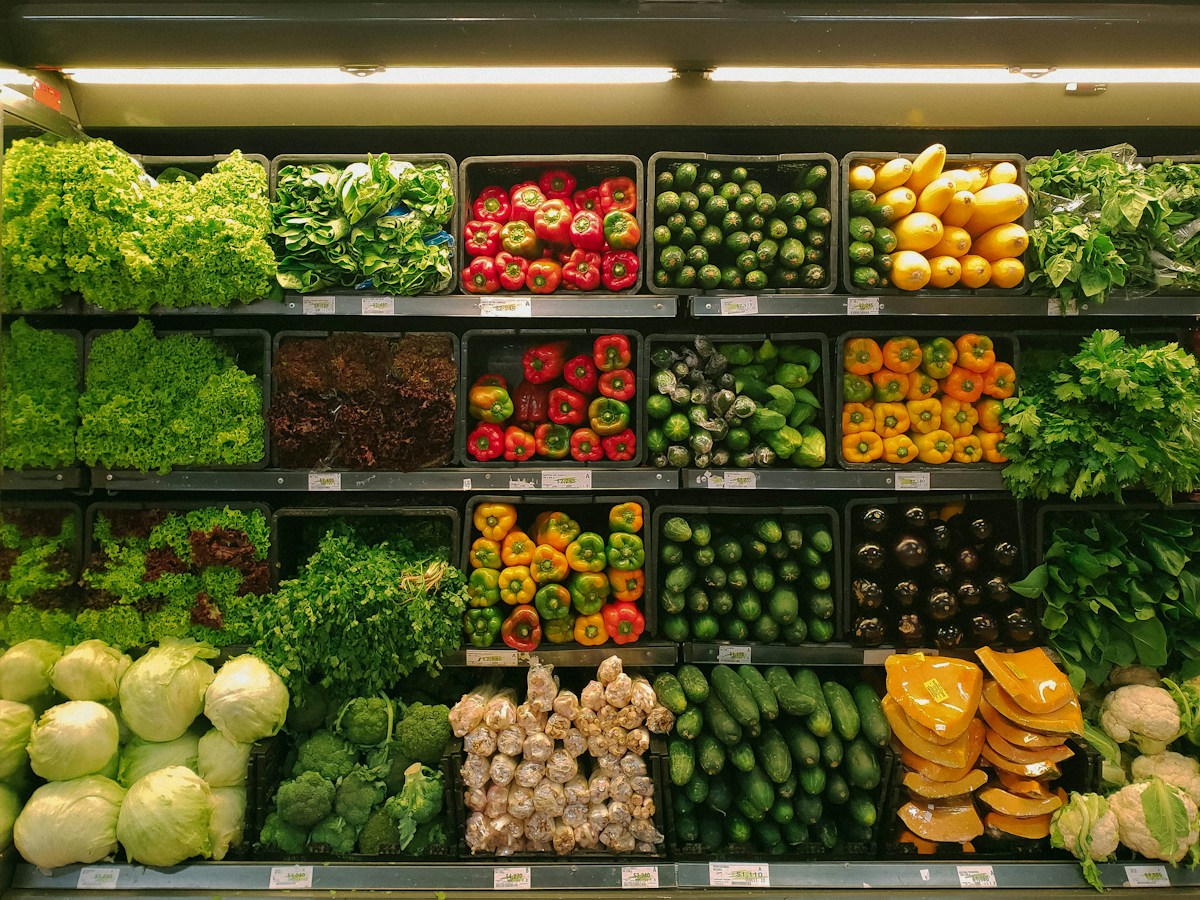
One October YouTube hit turns an ordinary grocery store into a high-stakes contest. MrBeast’s “Eat Everything In A Grocery Store, Win $1,000,000” is a useful case study because its biggest strength may be the easiest one to miss: viewers instantly understand the room.
The money gets attention. The recognizable aisles, plain rules, frequent resets, and strong reactions keep the larger idea from becoming a blur. Here is what smaller video makers can take from it, even without a giant budget.
Why a Grocery Store Makes a Surprisingly Strong Set
A grocery store is one of the easiest places for viewers to understand. The aisles are familiar, products have prices, and the layout gives a natural path through the building. That means the viewer spends less time learning the setting and more time following the challenge. The premise also contains a built-in contradiction: a place made for buying a few ordinary items becomes the stage for a giant prize. That mismatch creates curiosity before the first task begins.
The store is a useful storytelling device because each shelf creates a decision. A contestant can move toward another aisle, take a risk, or waste time. Those moves are visible. A stranger watching on a phone can understand what is happening without a long explanation. Smaller creators can find that same clarity in a workshop, a garden center, a tackle shop, or a kitchen. What matters is not how expensive the room looks. It is whether the setting helps tell the story.
The Prize Is a Headline, Not the Whole Story
A million-dollar prize makes a thumbnail easy to notice. It does not automatically sustain a long video. For that, a challenge needs fresh questions. Can the participants keep up? How will they adapt when the obvious choice stops working? What does each setback cost? Those little uncertainties are what persuade people to keep watching after the initial shock of the premise fades.
The production seems built around a series of smaller milestones rather than a single result. That is a useful lesson for anyone editing long footage. A large premise is the sign over the door; individual scenes are the reasons to stay inside. The more clearly each scene begins and ends, the less the audience has to work to follow along.
How the Edit Keeps Viewers Oriented
Fast cutting works best when it preserves meaning. Wide shots remind us where the action is taking place. Close shots show a specific decision or object. Reactions tell us why the decision mattered to the person making it. A clear sequence of those three views can carry a scene without narration explaining every moment.
This is similar to the visual clarity we discussed in the extreme-places race breakdown. The locations are different, but editors face the same task: keep resetting the viewer’s sense of place, stakes, and next action. Speed alone is not a substitute for orientation.
Simple Props Can Create Real Stakes
A good prop does two jobs. It belongs naturally to the setting, and it changes what a person can do. Grocery carts, shelves, boxes, and checkout lanes make sense in this environment. If a rule forces contestants to use those things in unusual ways, the action still feels grounded. The game may be enormous, but the physical objects make it easy to picture.
For a small channel, the useful takeaway is to choose a location with visible constraints. A five-minute project that uses the workbench in a garage can be more gripping than a vague challenge shot across five impressive places. Give the objects clear roles. Explain the rule once, then show the consequences.
The Companion Video Adds Another Point of View
A separate creator’s visit to the same set can make the production feel bigger. It also helps an audience understand that a location contains stories beyond the main contest. That does not mean every creator needs a crossover. The principle is to look for other ways into a familiar scene: a behind-the-scenes tour, an alternate camera angle, a short interview, or a follow-up explaining how something was made.
This is especially helpful when footage is expensive to shoot. A single organized shoot can yield one longer story and several useful short pieces, provided each cut adds something real. Repeat the best moment without context too often, and the smaller clips start to feel like advertising for the original rather than stories worth watching.
What Creators Should Notice About Filming
Watch the transitions between individual actions. Does the scene begin with a wide view? How quickly does the edit reveal a person’s reaction? Is there a short pause before a surprise, or does the cut jump directly to it? Notice how easily the challenge can be explained to someone who has never heard of the creator. These are practical editing questions, not judgments about whether the video’s budget is sensible.
If you film your own version of a challenge, keep a simple shot checklist: opening location, participants, the rule, a close view of the key action, the result, and one honest reaction. Record clean sound whenever possible. Fancy gear can improve consistency, but there is no camera setting that repairs a missing beginning or a confusing ending.
A Storage Habit That Helps Smaller Teams
Long challenges often generate far more media than the final video can hold. Good file habits matter even on a small project. Copy the original camera files before editing, use names that make sense six months later, and keep project files separate from final exports. A fast editing drive is useful, but it should not be the only location holding irreplaceable footage.
Adobe’s current guidance on video editing storage recommends fast SSD or NVMe media drives. A KingSpec 1TB NVMe drive is one concrete storage option to assess for a compatible computer, though buyers should check its 2242 form factor and specifications first. For a stronger protection plan, WrightHost’s disaster recovery guide explains why one copy is never a recovery strategy.
The Part Worth Borrowing
Most viewers will remember the strange setting and giant number. Editors should study something less flashy: the way a familiar physical space makes a complex production easy to read. Start with a promise anyone can repeat. Create visible progress, show why each change matters, and leave out scenes that only repeat information.
That approach works at almost any budget. You do not need to take over a supermarket. You need a story with a location, a constraint, a person making choices, and an outcome that feels earned. Another MrBeast Gaming analysis on this site shows how the same clear-promise principle can work with a very different kind of video.
Affiliate disclosure: qualifying purchases made through product links may earn a commission.