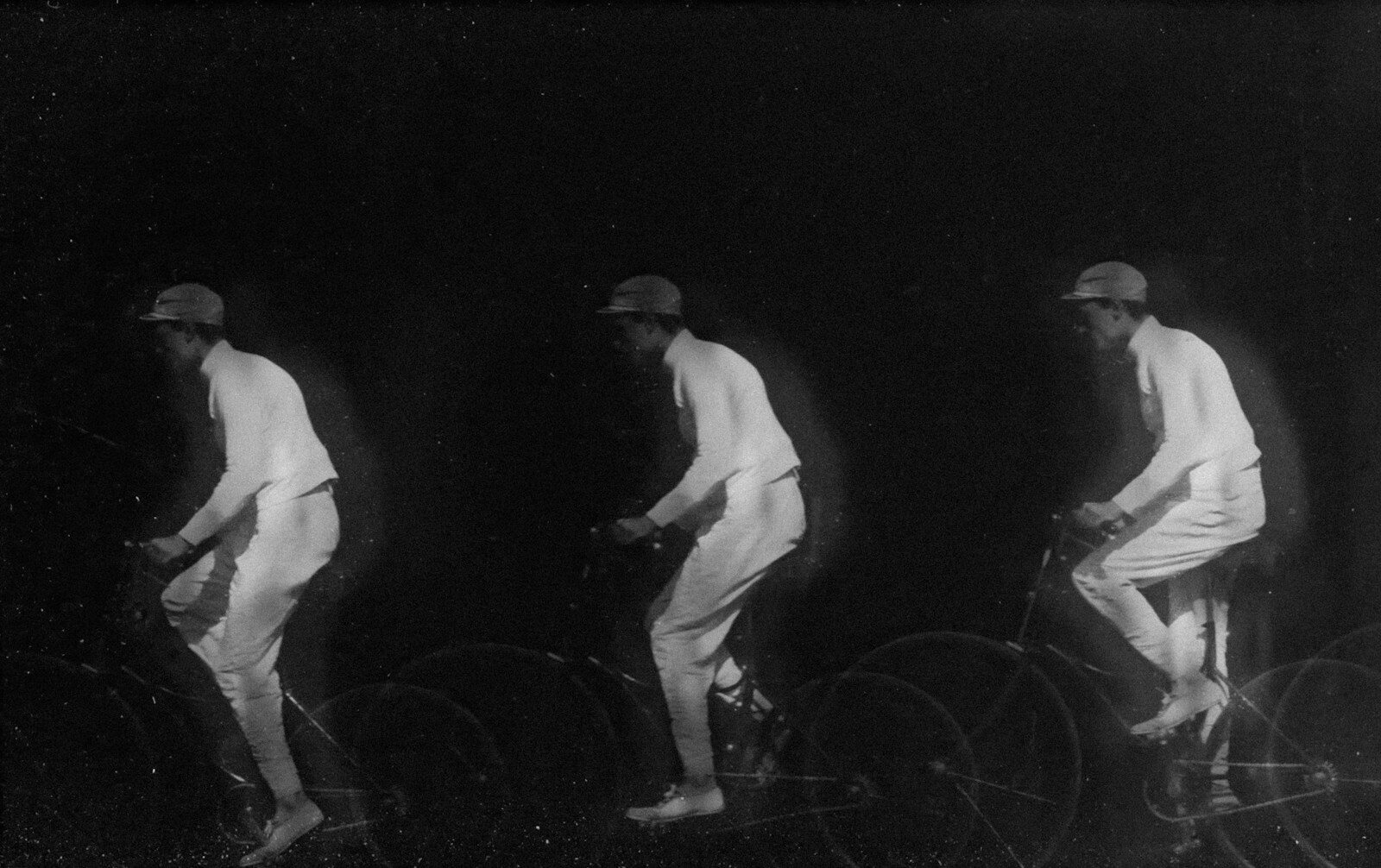
The Backwards Brain Bicycle looks simple. Turn the handlebar one way, and the front wheel turns the other way. Most people can understand that rule in a few seconds. Riding the bike is much harder.
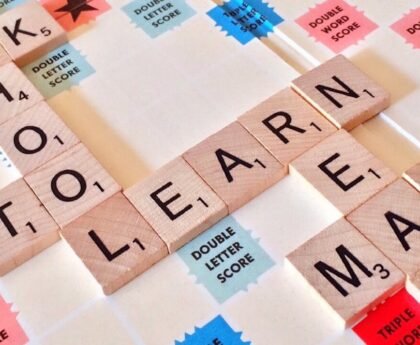
That gap is the heart of the Smarter Every Day video. Knowing what to do does not mean the body can do it. A learned movement can stay strong even when the mind understands a new rule.
The idea is easy to see because a bicycle is familiar. We know how normal steering should feel. When that link is reversed, every old habit starts working against the rider.
The video also gives the experiment time. There is no magic shortcut. Progress comes through practice, mistakes, rest, and more practice. That makes the result feel earned.
It is also a good reminder to be careful with big claims. One bicycle experiment cannot explain the whole brain. Motor learning changes with the task, the person, and the kind of practice.
Still, the lesson is useful. A clear explanation can start learning, but skill needs action. We often have to try, fail, adjust, and try again before a new movement begins to feel natural.
What the Bicycle Changes
A set of gears reverses the steering. Turn left and the wheel goes right. Turn right and it goes left. The rule is easy to say. The hard part is making the body follow it.
This is why the video works so well. We can see the problem at once. We can also see that knowing the answer does not remove the old habit.
Knowing and Doing Are Different
Motor skills grow through experience. Research on motor skill learning also shows that the way practice is arranged can change how well a skill is learned. Practice matters, but useful practice is more than mindless repetition.
The same idea appears in everyday tasks. You can read how to tie a knot, swing a club, type faster, or ride a bike. The words may make sense before the movement does. Our article on why a simple tie tutorial works shows the value of clear steps when a viewer is learning a physical task.
Practice Needs Feedback
Each failed ride gives information. The rider learns what went wrong, makes a small change, and tries again. Over time, the strange response becomes less strange.
That is useful far beyond cycling. Runners also build control through steady work. This River Slea training guide uses simple pacing and repeated efforts instead of asking people to force progress in one hard session.
If you try a new cycling skill, use a safe open area and proper gear. A well-fitted bike helmet is a sensible starting point. The goal is practice, not proving how hard you can fall.
Why Short Lessons Can Help
A short lesson can make the next attempt better. It can point out a mistake or give the learner one thing to watch. But the lesson still has to meet real practice.
That is one reason micro-tutorials can be useful. A small lesson is easy to review right before trying a task. The learner can then test the idea instead of only hearing about it.
What Creators Can Learn
The video has one clear question: can a person learn to ride this strange bike? Every important scene serves that question. We see the rule, the failures, the practice, and the result.
Creators do not always need a huge set or fast edit. They need a clear idea. They also need enough evidence for viewers to see change happen.
This is true in sports too. Practice, patience, and learning from mistakes are part of the reason sports can teach useful habits. The progress itself can become the story.
Try the Lesson Without the Backwards Bike
You do not need a reversed bicycle to use the idea. Pick a safe skill you want to improve. Break it into a small step. Practice it. Notice what happens. Rest. Then return and try again.
For normal bicycle practice, a simple bicycle tool kit can help keep the bike ready while you work on the rider. Good practice is easier when the equipment works as expected.
The Lesson That Stays
The Backwards Brain Bicycle lasts because its main point is easy to carry into daily life. Understanding can happen fast. Skill often takes longer.
That is not a failure of learning. It is part of learning. A new idea may begin in a moment, while a new habit is built one careful attempt at a time.