January can feel like two months in one.
The first part is loud. It has fireworks, bold goals, and big promises. The second part is quiet. It has cold mornings, early sunsets, and that moment when we realize a calendar flip does not magically fix everything.
That is why sports matter so much in January.
Sports give us a steady beat when the season feels shaky. They give us something to look forward to when it is dark by dinner time. And they give us stories that remind us we can start over, even if we do it one day at a time. Outdoor Activities for January: Our Simple Plan to Get Outside (and Love It).
If we lean into January sports the right way, we do not just “watch more games.” We build better habits. We reconnect with friends. We move our bodies more. We feel more like ourselves.
Let’s walk through what makes January such a special sports month, and how we can make it a little brighter for all of us.
Why January sports feel different
January sports do not feel like July sports. Not even close.
In January, stakes rise. Seasons turn. Teams either level up or go home. You can feel it in the way fans talk, the way players celebrate, and the way every mistake seems bigger.
But most of all, January sports feel personal.
Because January is when we are trying again.
We are trying to eat better, sleep more, save money, call our parents, take walks, and stop doom-scrolling at midnight. And in the middle of all that, sports offer something simple:
A scoreboard.
A schedule.
A next game.
In other words, sports give our brains a clear path forward. That is comforting. Aaron’s Arboretum: A Week Of Maples, Harvests, And High-Flying Views.
Football’s January grip: “Win or you’re done”
If you live anywhere near football culture, January is peak football energy.
Even if you are not a die-hard fan, the vibe is hard to ignore. The games get tighter. The emotions get sharper. And suddenly, every Sunday feels like an event.
The NFL turns into a spotlight
In early January, the NFL moves from “regular season chaos” to “every snap matters.”
Then the playoffs hit, and the calendar turns into a shared routine for millions of us. We plan around it. We cook around it. We text our group chats about it like we are coaches.
For the 2026 postseason timeline, the league’s own key dates list Wild Card Weekend as January 10–12, Divisional Playoffs as January 17–18, and Conference Championship Games on January 25. That is basically three straight waves of “you can’t miss this.”
And because the games spread across days and time slots, it creates something rare: common time. Tradescantia spathacea, Tricolor Shared time.
That matters more than we admit.
Make it better than “just watching”
Here is the trick that changes everything: we do not have to watch football like couch statues.
Instead of treating a playoff game like a three-hour sit, we can build a tiny ritual:
- Walk during halftime. Even 8 minutes.
- Do stretches during commercials.
- Make a “snack plate” with real food on it.
- Invite one friend, not twelve. Keep it easy.
Small moves. Big payoff.
January is not about perfection. It is about momentum.
College football’s last fireworks
College football is a different kind of January magic.
It has bands, pageantry, weird bowl names, and fan bases that can turn a normal week into a holiday. It is loud. It is emotional. It is dramatic.
And in January, it reaches its final act.
The playoff pushes stories to the front
A big reason January college football feels so intense is simple: it is the end.
For many players, it is the last time they wear that jersey. For many fans, it is the last time they get that weekly hit of tradition.
In the current College Football Playoff run, the semifinal bowls are right in the heart of January. The Fiesta Bowl semifinal is set for January 8, and the Peach Bowl semifinal is set for January 9. The matchups this year have been especially headline-heavy, Vinca, Cora Cascade XDR Lilac with major programs and surprise runs colliding.
And that is what January does best.
January takes the long season and turns it into a short, sharp story. We do not have time to wait. We do not have time to “maybe next week.” It is now.
If you want the “January sports feeling,” start here
If you only have space for one sport this month, college football is often the fastest way to feel that classic January buzz.
It has:
- big games
- neutral sites
- high emotion
- “this is it” energy
And when it ends, it makes room for the next wave.
Which is perfect, because January is full of waves.
Basketball season finally feels real
Basketball is with us for months. But in January, it starts to feel more serious.
Early season games can be fun, but they can also feel like noise. By January, teams have a rhythm. Players are in shape. Rotations tighten. Rivalries heat up.
And for fans, January is when we stop saying “it’s early” and start saying “okay, I see who we are.”
The NBA becomes a nightly comfort
One of the best things about NBA season in January is that it is steady.
Football is a big splash, but it is not every night. Viola, Marina Basketball can be. That is why it becomes a comfort sport for so many of us.
If January is stressful, the NBA can feel like a warm lamp in the corner of the room. You flip it on. You know what you are getting. You get highlights, drama, and star power, but you also get routine.
And routine is the secret weapon of January.
College hoops brings the rivalries
In men’s and women’s college basketball, January is when conference play settles in.
That means:
- rival games
- upset alerts
- packed student sections
- “we have to win this” vibes
It is also when we start learning the teams we will talk about in March.
In other words, January is the setup month for the best month.
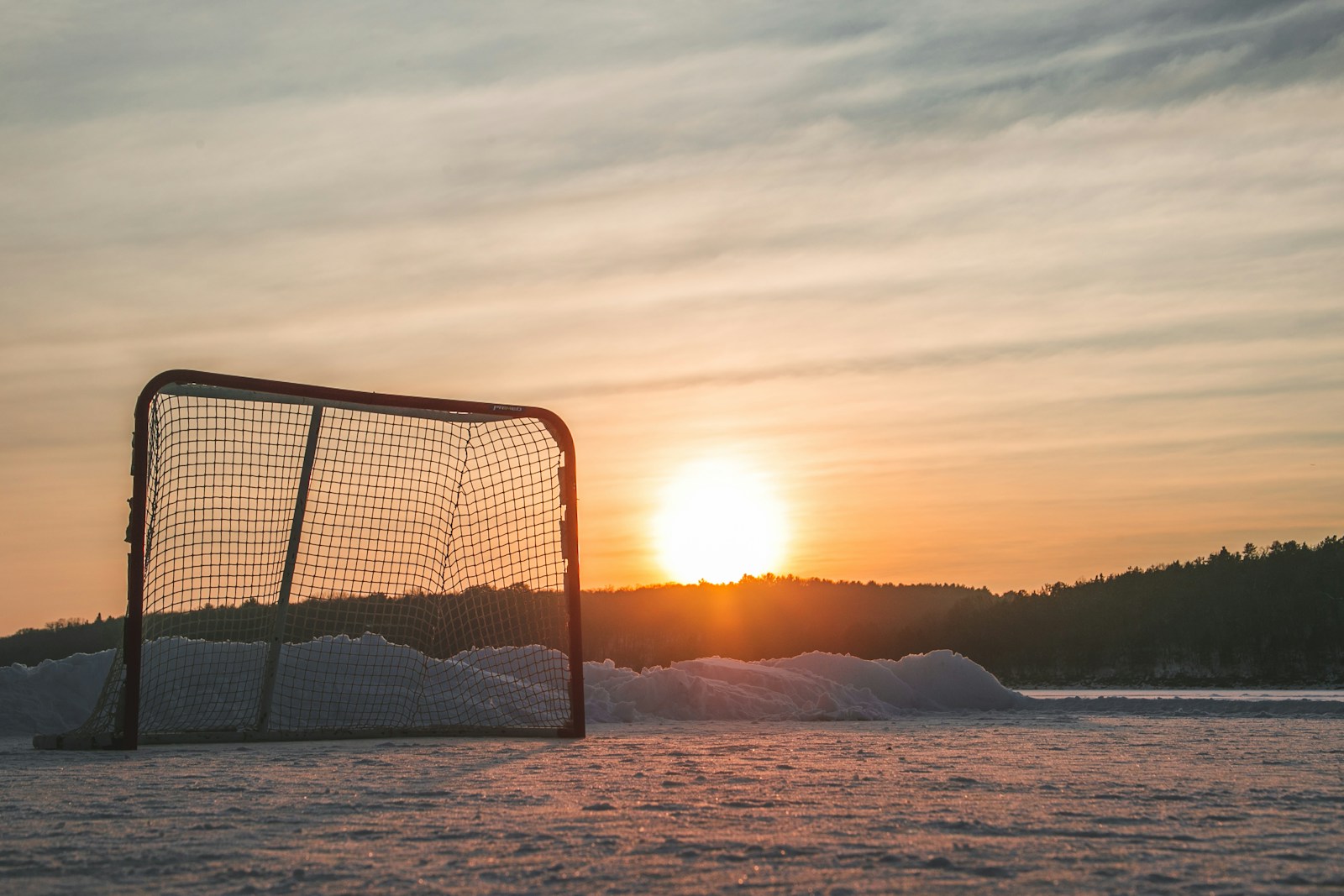
Hockey belongs to winter
Hockey in January makes sense in a way some sports do not.
It is cold outside. The ice is fast. The air feels sharp. And the sport itself matches the season.
Even if you are not a regular hockey watcher, January is a great time to dip in.
The outdoor game energy is real
There is something special about outdoor hockey. It looks like winter feels.
And for early January 2026, the NHL calendar includes the Discover NHL Winter Classic on January 2, featuring the New York Rangers at the Florida Panthers. That is the kind of event that can pull in casual fans, because it feels like a winter postcard that also happens to be a game.
But even beyond special events, the NHL grind in January is a great reminder of what winter sports are about:
Showing up.
Skating hard.
Doing the work when it would be easier to coast.
That is January energy, too. Herb Garden Kit – Indoor Kitchen Herb Garden.
Tennis flips the season on its head
Here is a fun January twist: while much of the U.S. is freezing, tennis fans get summer.
The Australian Open lands in January, and it feels like a sports vacation without leaving your house.
The Australian Open is a January reset button
The Australian Open is one of the first major sports events of the year that feels truly global. Different time zones. Different weather. Different vibe.
For 2026, the Australian Open is scheduled to run from January 12 to February 1 at Melbourne Park.
So while we are bundling up, players are sweating under bright skies. The contrast is part of the charm.
And because it starts so early in the year, it hits our brains like a fresh chapter:
New season.
New storylines.
New champions.
If you want something that feels hopeful in January, tennis is a great pick.
Soccer keeps the world moving
If January makes you want nonstop sports, soccer is your friend.
Leagues across Europe and beyond keep rolling through winter. Cups, league matches, rivalry games—there is always something.
Soccer is also great for January because it is built on flow. There is no constant stop-start. It breathes. It moves.
And sometimes, that is exactly what we need.
When our own life feels choppy, it is soothing to watch a sport that feels like a river. Do Old Coffee Grounds Work As Fertilizer?
How we can use January sports to feel better
This is the part that matters most.
Because watching sports is fun. But using sports to improve our January is even better.
Here are a few simple ways we can do that.
1) Pick one “anchor game” each week
January can get messy fast. Plans change. Motivation fades. Work piles up.
So we pick one game each week that becomes our anchor.
One game we look forward to.
One game we plan around.
One game that helps the week feel shaped.
It can be an NFL playoff game. A college semifinal. A big NBA matchup. A rivalry in college hoops.
Just one.
That is enough to create a rhythm.
2) Make watching active, not passive
We do not need to turn sports into a workout plan. We just need to stop freezing in place.
Try any of these:
- stand for the first five minutes of each quarter
- stretch during timeouts
- do a quick chore during halftime
- take a lap around the house after every touchdown or goal
It sounds small. It is small.
But small things are the whole point in January.
3) Bring one person into it
January can feel lonely. Even in a full house.
Sports can fix that with one text:
“Want to watch this game?”
We do not need a huge party. We just need connection.
One friend. One sibling. One neighbor.
One shared moment.
That can carry us for a week.
4) Let sports teach the real lesson
The best January sports lesson is not “win.”
It is this:
Keep going.
Teams lose games and come back. Players get hurt and return. Coaches change plans. Fans get disappointed and still show up.
That is the January lesson we actually need. Creating and Planting a Beautiful Container Garden.
Not perfection.
Progress.
A simple January sports plan that actually works
If you want a clean way to enjoy January sports without feeling overwhelmed, try this:
- Week 1: One big football game + one walk
- Week 2: One playoff game + one basketball game
- Week 3: One hockey game + one short workout during halftime
- Week 4: One tennis match (even highlights) + one invite to a friend
That is it.
Four weeks.
Four anchors.
A little movement.
A little connection.
And suddenly, January feels less heavy.
Keep the glow going
January sports are not just entertainment.
They are a way to mark time when time feels slow. They are a way to feel part of something when we are stuck inside. They are a way to remember that effort matters, even when it is cold and dark and hard.
So let’s use them.
Let’s watch the big games, yes. But let’s also move a little. Call a friend. Make a simple plan. Build the kind of January that feels steady, not scattered.
Because when February shows up, we want more than memories.
We want momentum.